

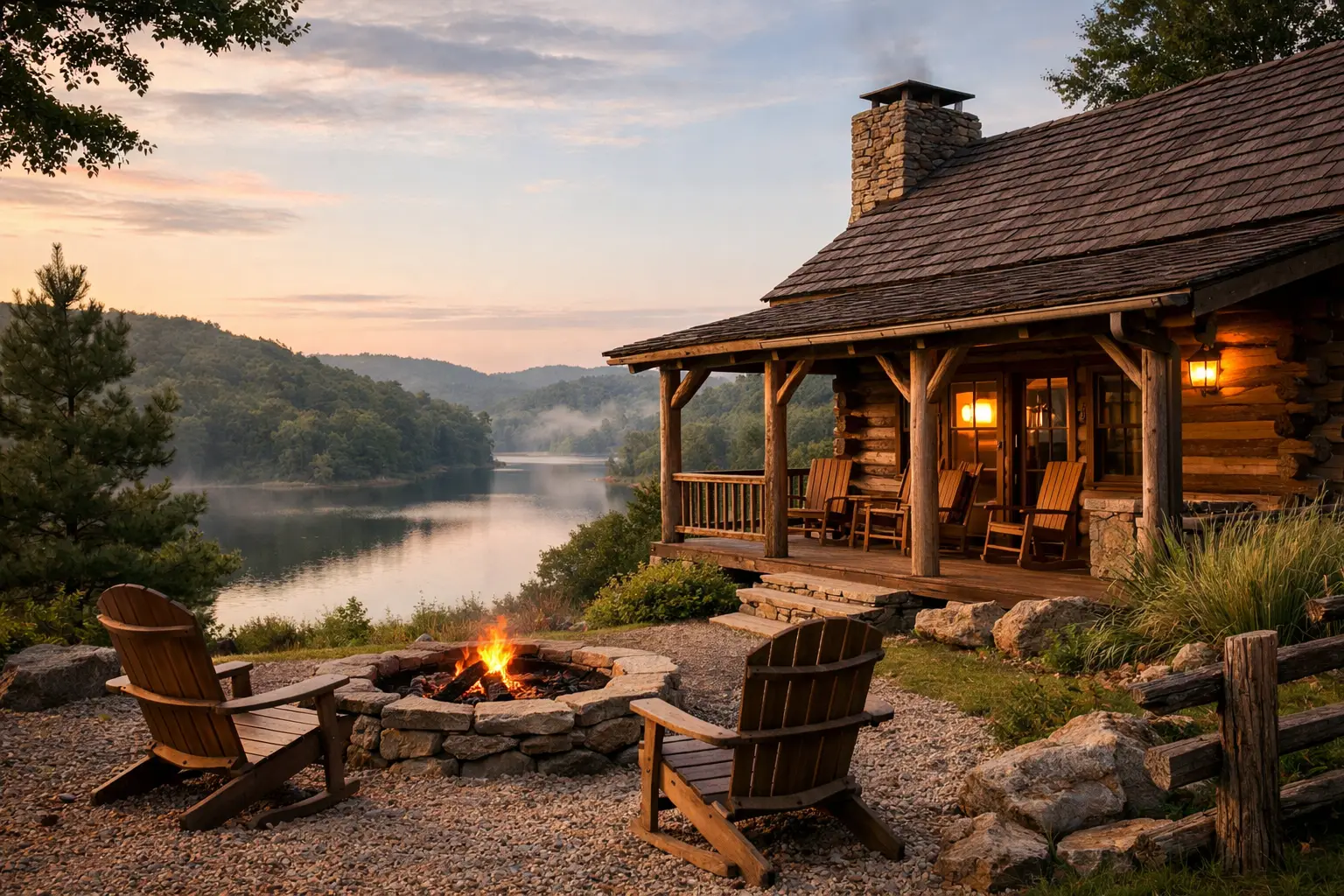
A cabin near the Red River Gorge can produce a compelling listing-page story: views, a hot tub, a fire pit, and proximity to trailheads. That story can also obscure the investment question. Kentucky cabin investments are not interchangeable vacation rentals. A ridge-top A-frame outside Campton, a creekside cabin in Powell County, and a newer rental near Slade may sit within a short drive of one another while carrying very different access, utility, insurance, maintenance, and resale profiles.
The right purchase begins with the property’s operating reality, not a revenue projection supplied by a listing or booking-platform calculator. Gross income matters, but it is only one line in the analysis. Investors who underwrite the road, the water, the septic system, the local rule set, and the exit audience before negotiating are usually in a stronger position than those who start with a nightly-rate assumption.
Start With the Location, Not the Cabin Photos
The Red River Gorge remains the best-known cabin market in Eastern Kentucky, but the phrase “Gorge area” covers several distinct buying environments. Slade offers proximity and recognition. Outlying areas may offer more acreage, privacy, or a lower entry basis, yet a longer drive can affect guest appeal, cleaning logistics, emergency response, and the pool of future buyers.
Access is not a cosmetic detail. A steep gravel driveway may be manageable in dry weather and a liability in winter or heavy rain. Ask who maintains the road, whether there is a recorded access easement, how delivery vehicles reach the home, and whether ordinary passenger vehicles can navigate the route without concern. If a property depends on a private bridge, shared drive, or low-water crossing, inspect the documentation and the physical condition closely.
Distance should be measured in drive time, not map distance. Guests arriving after dark, vendors hauling linens, and contractors responding to a plumbing issue experience the route differently than a buyer looking at satellite imagery on a sunny afternoon.
The cabin’s setting affects its guest and resale audience
A highly secluded property can command a premium when the experience is exceptional and the access remains straightforward. It can also narrow the resale pool. Conversely, a cabin closer to established hospitality activity may have more competition, but it often benefits from easier wayfinding, service availability, and a more recognizable location signal for guests.
There is no universal answer. The investment case depends on whether the cabin is intended as a high-occupancy short-term rental, a second home that offsets costs, or a long-hold property with occasional rental use. Those are different strategies and should be underwritten differently.
Underwrite Kentucky Cabin Investments From the Bottom Up
A credible pro forma begins with comparable properties, but it should not end there. Identify cabins with genuinely similar bedroom counts, finishes, views, amenities, access, and location. A three-bedroom cabin with paved access and professionally designed outdoor space is not comparable to a three-bedroom home reached by a narrow, unlit mountain road.
Revenue estimates should account for seasonality. Weekend demand, fall color, climbing and hiking traffic, holidays, and school breaks can create strong periods. Midweek and off-season performance tell a more complete story. Rather than relying on a single occupancy figure, use a conservative base case, a stronger case, and a downside case with softer rates or fewer booked nights.
Then treat expenses as operating facts, not placeholders. A cabin may require professional management, cleaning coordination, consumables, laundry, pest control, hot tub service, internet, trash handling, propane, electricity, landscaping, snow or storm response, and regular exterior maintenance. Mountain properties can also carry higher wear from moisture, insects, tree cover, and guest turnover.
A useful underwriting review separates fixed expenses from variable ones. Taxes, insurance, debt service, certain utility minimums, and some maintenance obligations persist even when bookings slow. Management and cleaning costs may move with occupancy, though not always as neatly as a spreadsheet suggests. Reserve capital for roofs, HVAC systems, decks, retaining walls, drainage corrections, appliances, septic work, and furniture replacement. A cabin that photographs well but has deferred exterior work is not a bargain simply because the purchase price appears favorable.
Sewer First, Always
Many desirable cabin sites rely on septic systems or other on-site wastewater solutions. This is one of the most consequential areas of due diligence, particularly when the intended guest count exceeds the home’s historic use.
Confirm the system type, permit history where available, maintenance records, tank location, field location, and capacity. Do not assume that a home advertised with multiple bedrooms can legally or practically support the sleeping configuration proposed for a short-term rental. A property’s number of beds, its wastewater capacity, and its marketed occupancy should make sense together.
Water deserves the same scrutiny. A private well, shared system, cistern, or spring-fed arrangement may be perfectly workable, but each requires a clear understanding of ownership, testing, storage, treatment, reliability, and repair responsibility. Internet service should be verified at the property, not inferred from a provider’s broad coverage map. Remote workers and families increasingly consider reliable connectivity part of the rental product.
Rules, Permits, and Insurance Are Part of the Basis
Before buying a cabin for rental use, establish what is permitted at the parcel level. County rules, local ordinances, deed restrictions, HOA covenants, and insurance requirements can all shape the operation. Rules change, and generalized advice from a social media group is not diligence. The relevant documents should be sourced, dated, and interpreted for the specific property.
A buyer should also ask whether a current short-term rental operation, permit, or business registration transfers, expires, or must be renewed. The answer may affect the timing of the first rental season. If the seller presents income history, request enough detail to understand whether it reflects owner stays, unusually favorable launch-period demand, discounted bookings, management changes, or one-time events.
Insurance needs careful attention in wooded and rural settings. Confirm that the policy will cover the intended use, including short-term rental activity if applicable. Review deductibles, exclusions, replacement-cost assumptions, and exposure to wind, water, fire, fallen trees, and guest-related claims. An inexpensive quote that excludes the actual operating model is not useful protection.
Value the Operational Condition, Not Just the Architecture
Cabin buyers are often drawn to design, and they should be. A distinctive A-frame, modern glass wall, vaulted living room, or carefully composed outdoor area can make a property more bookable and more memorable. But design does not excuse poor building performance.
Inspect roofs, flashing, gutters, decks, railings, grading, drainage, crawl spaces, retaining walls, windows, wood siding, and HVAC systems with particular care. In wooded terrain, water management is often the quiet determinant of future expense. Look for staining, settlement, soft decking, standing water, erosion, overloaded gutters, and evidence that repairs were made cosmetically rather than structurally.
Operational readiness also has a market value. A well-maintained cabin with documented systems, clear access, reliable vendors, and orderly records may justify a higher basis than a similar-looking property requiring immediate repair coordination. Marcos Gil Realty’s repair-informed perspective is particularly useful here: the question is not merely whether an issue exists, but what it will cost, how quickly it can be corrected, and whether it will interrupt revenue during the repair.
Plan the Exit Before You Close
An investment is easier to own when it has more than one plausible exit. Consider who would buy the cabin if short-term rental economics soften: another investor, a regional second-home buyer, a full-time resident, or a buyer seeking a recreational retreat. Properties with broad appeal tend to be easier to reposition than cabins built around a narrow novelty.
This does not mean every investor should avoid specialized properties. It means the premium paid for a dramatic view, unusual layout, or remote setting should be deliberate. A cabin can be an excellent hospitality asset and a less liquid residential asset at the same time.
Model a sale after ordinary transaction costs and possible repair requests. Also consider the condition in which frequent guest use may leave the property after several years. The strongest operators reinvest in furnishings, exterior care, and guest-facing details before they become obvious deficiencies in a future listing.
A sound cabin purchase should still make sense after the peak-season screenshots are put away. If the access is clear, the systems are supportable, the numbers remain credible under a conservative case, and the resale audience is understood, the property has earned a closer look. That is where a Kentucky cabin investment becomes less of a wager on weekend demand and more of an asset you can own with confidence.
Leave a Reply