


Student Rental Investment: UK & EKU Markets
Two campuses, thirty minutes apart, with two very different price points — that’s the play.
Central Kentucky offers two university rental markets thirty minutes apart: UK in Lexington (deeper demand, higher entry, real occupancy regulation) and EKU in Richmond (lower entry, established walk-to-campus streets). Student rentals price by the bedroom, carry annual turnover, and reward buyers who underwrite honestly and plan the exit from day one.
The Two-Campus Advantage
Central Kentucky offers something few markets can: two established university rental pools within one drive. The University of Kentucky anchors Lexington’s dense, competitive campus market; Eastern Kentucky University in Richmond offers similar rental fundamentals at a materially lower entry cost. Investors who know both can match their capital to the market instead of forcing a market to fit their budget.
Two campuses, thirty minutes apart, with two very different price points — that’s the play.
How Student Rentals Are Underwritten
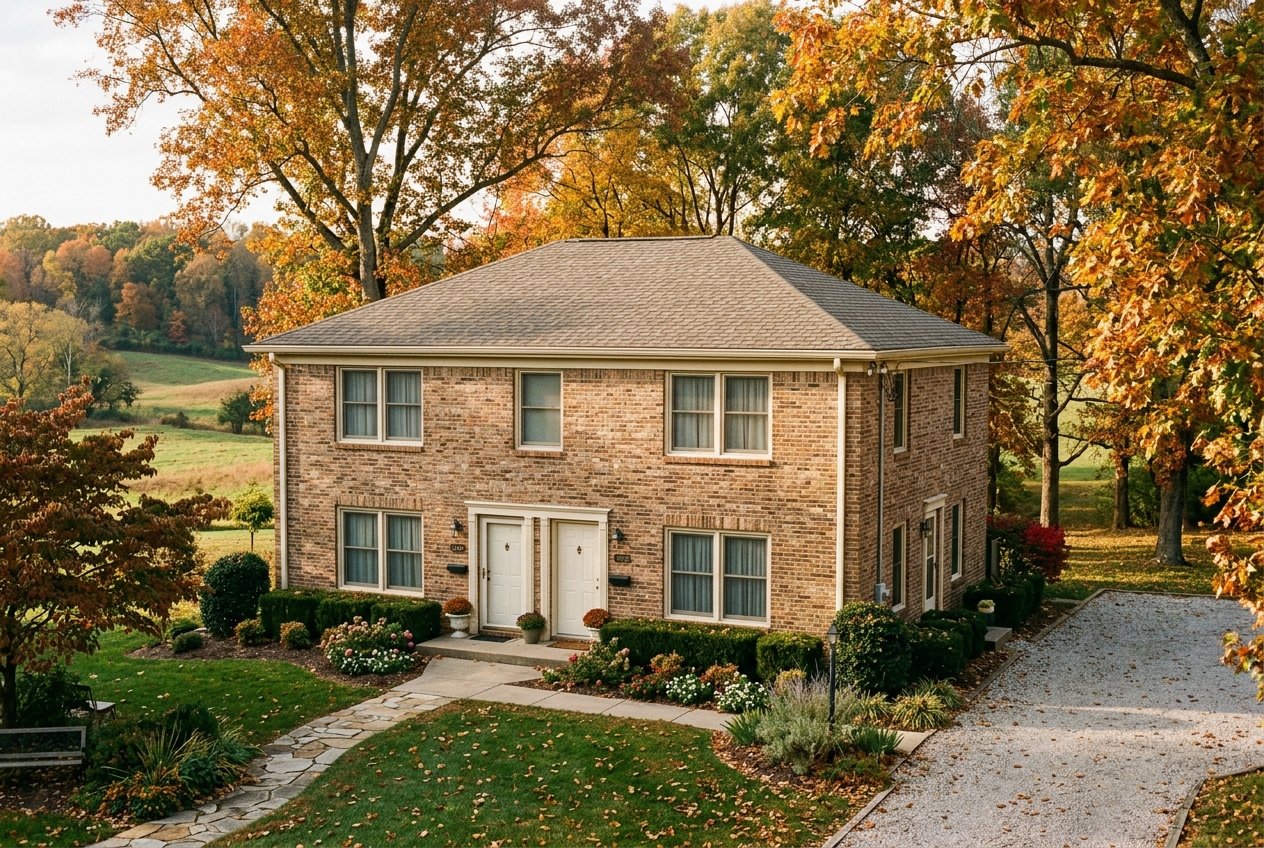
Student properties price by the bedroom, not just the unit — and everything follows from walkability to campus, bedroom count, and parking. The underwriting realities are honest ones: summers may need bridging, turnover is annual and concentrated, and wear runs heavier than a standard rental. Priced correctly, the per-bedroom math is why this niche has held investor attention for decades. I’ll walk the actual numbers with you on real properties rather than promise ranges here.
Lexington vs. Richmond
Lexington near UK: deeper demand, higher prices, and city rental regulations that deserve careful reading — occupancy and zoning rules limit how some properties can be used, and they’re enforced. Verify the current ordinance before underwriting any Lexington campus property. Richmond near EKU: lower entry prices, lighter regulatory friction, and the walk-to-campus streets are well defined. The EKU Zone page maps that market in detail.
The Parent-Buyer Path
Some buyers in this niche aren’t investors at all — they’re parents buying a property for the student years, letting roommate rent offset costs, then selling or holding at graduation. It’s a transaction with its own logic: financing as a second home or investment property, titling questions, and an exit plan built in from day one. The tax dimensions belong with your CPA; the property side is what I do.
Management and the Exit
Self-managing student rentals from out of town is a hard road; budget for professional management or a very reliable local contact. And every student rental should be bought with the exit in mind — resale to the next investor, conversion to a standard rental, or a graduation-timed sale. The investor services page covers how I help on both ends.
Common Questions
Which campus should a first-time investor start with?
Richmond, for most. Lower entry cost means smaller mistakes, and EKU’s rental streets are established and legible. Lexington rewards experience and deeper reserves. The honest answer depends on your capital and risk tolerance — that’s a conversation, not a rule.
How do student leases usually work?
Most run on the academic calendar with parental guarantees — individual or joint leases both exist, and the choice changes your risk profile. A local property manager can share the lease structures currently working in each market.
What financing fits student rentals?
Conventional investment loans and DSCR loans are the common paths — the DSCR guide explains the rental-income-based approach. Program fit and rates come from licensed lenders; I can introduce you to ones who close investor files here.
Map the Richmond campus market on the EKU Zone page, then see investor services for the full picture.
Marcos Gil, REALTOR® · Keller Williams Commonwealth · Based in Beattyville, serving Lexington to the Red River Gorge · Also owner of Central Property Services and publisher of Invest in the Gorge — any recommendation involving my other businesses is disclosed in writing.
Talk Student-Rental Strategy — (859) 310-1209
Last updated: August 19, 2026