


Multifamily Investment: Lexington–Richmond Corridor
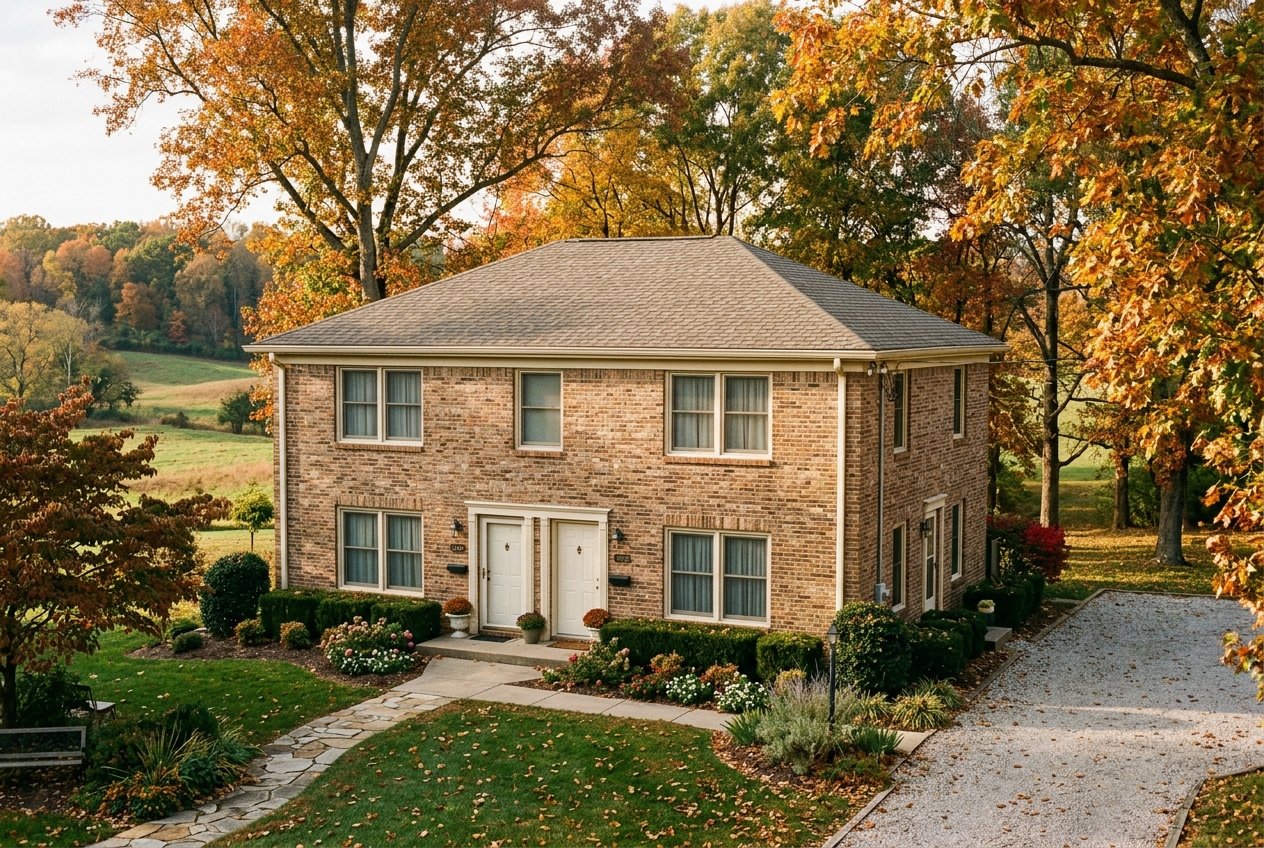
Duplex to twelve units: the corridor between two universities is small-multifamily country.
Small multifamily — duplexes to about a dozen units — is the corridor’s most accessible investment class, fed by two universities, two hospital systems, and steady workforce demand. Lexington offers durability at a price; Richmond offers yield character at lower entry. Two-to-four units finance residentially; five-plus crosses into commercial lending.
The Small-Multifamily Sweet Spot
Between single-family rentals and institutional apartment complexes sits the market individual investors can actually own: duplexes, four-plexes, and small buildings up to a dozen units. This corridor supplies steady tenant demand from two universities, two hospital systems, and a workforce priced out of new construction. Small multifamily trades less often than houses and requires more diligence — which is precisely why it rewards buyers who are prepared.
Duplex to twelve units: the corridor between two universities is small-multifamily country.
Underwriting Without Wishful Thinking
Honest multifamily underwriting starts where listing brochures end: real vacancy allowance rather than assumed full occupancy, maintenance reserves that respect the building’s age, management cost even if you self-manage — your time is a cost — and capital items on their actual clocks: roofs, HVAC, parking. I don’t publish cap-rate promises; every building prices its own truth once the rent roll and expenses are real. What I bring is the discipline of asking for the documentation and reading it with you.
UK vs. EKU Submarkets
Lexington multifamily near UK: deeper demand and deeper prices, with city rental regulations that must be read before underwriting — occupancy rules shape what some buildings can legally do. Richmond near EKU: lower entry cost, less regulatory friction, and genuine demand from students, hospital staff, and Depot-connected tenants. Many portfolios in this corridor hold both: Lexington for durability, Richmond for yield. The student rental page covers the by-the-bedroom subset in detail.
Management Reality
Small multifamily lives or dies on management: tenant screening, turnover speed, and maintenance response set the building’s actual return more than the purchase price does. Professional management earns its fee for out-of-area owners; self-managers need systems and a bench of trades. Disclosure where relevant: my repair company, Central Property Services, works on rental properties in this region — that ownership interest is always disclosed in writing, and owners choose their own vendors freely.
Financing and the Exchange Path
Two-to-four-unit properties can finance on residential terms — including owner-occupied house-hacking paths — while five-plus units cross into commercial lending. DSCR loans, underwritten on the property’s income, serve investors across the range; the DSCR guide explains the approach. And multifamily is a natural landing asset for 1031 exchanges out of appreciated single-family rentals or land. Program specifics belong with licensed lenders and your CPA.
Common Questions
Is house-hacking a duplex realistic here?
Yes — living in one unit while renting the other is a well-worn first step in this corridor, and owner-occupied financing makes the entry gentler. The trade-off is living beside your tenant; some love it, some last a year. Both outcomes teach.
What size building should a first multifamily buyer target?
Usually the two-to-four-unit range: residential financing, learnable management, and mistakes that stay survivable. Five-plus units add commercial debt and complexity that reward a second purchase more than a first.
How do I evaluate a building’s real income?
Documents over descriptions: actual leases, twelve months of collected-rent history, utility bills, and tax records. Anything a seller cannot document gets underwritten as if it doesn’t exist. I’ll request and walk the paper with you.
Start with investor services, and see the EKU Zone for Richmond’s campus market.
Marcos Gil, REALTOR® · Keller Williams Commonwealth · Based in Beattyville, serving Lexington to the Red River Gorge · Also owner of Central Property Services and publisher of Invest in the Gorge — any recommendation involving my other businesses is disclosed in writing.
Review Multifamily Strategy — (859) 310-1209
Last updated: August 19, 2026