

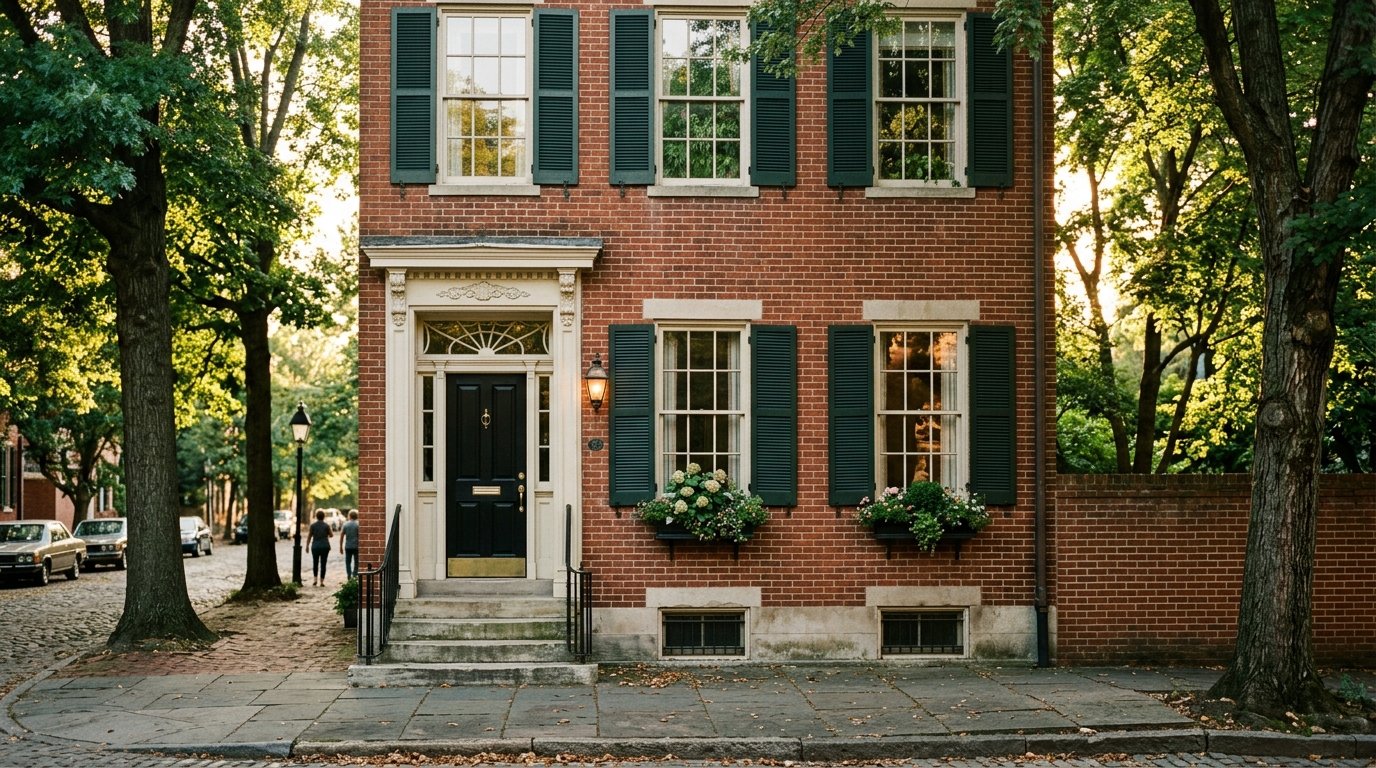
Historic Homes of Lexington & Richmond
Historic homes carry their history in the walls — est. 1890, restored 2024. Owning one is a privilege with paperwork.
Central Kentucky’s historic homes concentrate in Lexington’s Gratz Park, Ashland Park, and Chevy Chase, and in downtown Richmond and rural Madison County. Overlay districts review street-visible exterior changes, Kentucky maintains rehabilitation tax credits for qualifying projects, and pre-1900 construction calls for specialist inspection — stewardship with paperwork, rewarded in permanence.
Property records and assessments for Fayette County addresses are maintained by the Fayette County Property Valuation Administrator.
Where the History Lives
Lexington’s historic fabric runs through Gratz Park’s federal-era streets, the Ashland Park and Chevy Chase neighborhoods laid out around Henry Clay’s estate, and pockets of downtown where nineteenth-century commercial buildings have become residences. Richmond and Madison County hold their own: a courthouse-square downtown, antebellum and Victorian survivors, and farmhouses that predate the state’s highways by a century. The Chevy Chase guide and Richmond guide cover the neighborhoods themselves.
Est. 1890, restored 2024 — some homes carry their history in the walls. Owning one is a privilege with paperwork.
What an Overlay District Means for You
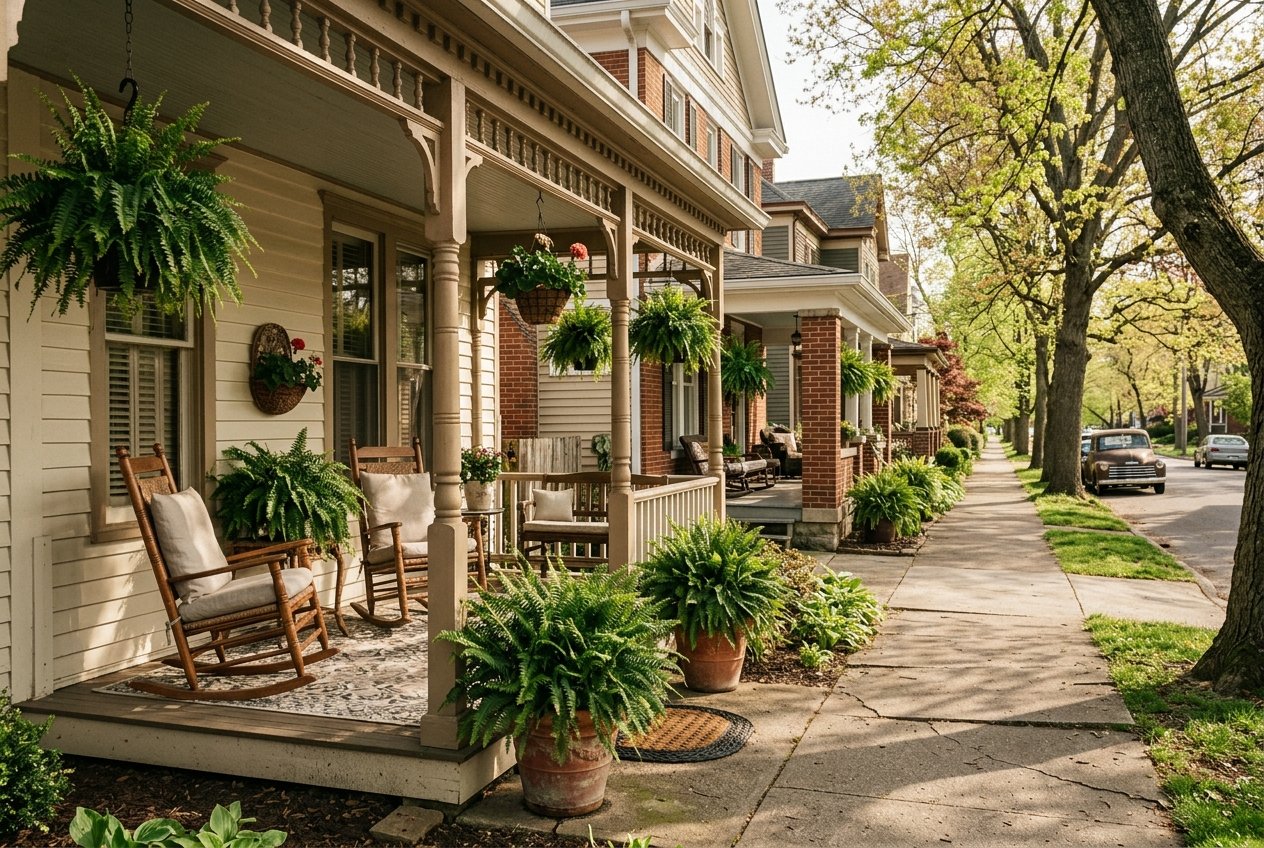
Some historic neighborhoods carry preservation overlay zoning — in Lexington, the H-1 designation. In practice: exterior changes visible from the street generally need review and approval, from windows and siding to additions and fences. Interiors are typically yours to shape. The system protects exactly what you paid a premium for — the street’s intact character — and it adds a review step to exterior projects. Every district’s rules differ; we read the specific overlay before you offer, not after.
The Rehab Tax Credit, Briefly
Kentucky maintains a historic rehabilitation tax credit program, and federal credits exist for qualifying income-producing properties. Certified rehabilitation of a qualifying structure can recover a meaningful share of costs — with applications, standards, and paperwork that reward doing it properly from the start. This is education, not tax advice: the numbers and eligibility for your project belong with your CPA and the Kentucky Heritage Council’s current guidance.
Inspecting a Home Older Than the Light Bulb
Pre-1900 construction calls for inspectors who know it: knob-and-tube wiring and its insurance implications, stone and brick foundations that move differently than poured concrete, plaster, galvanized plumbing, and the archaeology of past renovations layered on top of each other. None of these are automatic disqualifiers — they are pricing information. Insurance deserves early attention too; some carriers handle century homes gracefully and some don’t, so quotes belong in your contingency window.
The Honest Ledger of Ownership
A historic home pays you in rooms with proportions nobody builds anymore, materials that have already lasted a century, and streets where the trees are older than the deed. It charges you in maintenance that rewards craftsmanship, projects that take approval steps, and the patience of stewardship. Buyers who go in with the ledger read honestly tend to stay for decades — which tells you most of what you need to know.
Common Questions
Are historic homes bad investments because of the restrictions?
The evidence generally points the other way — protected districts hold their character, and character holds value. The restrictions bind your neighbors too, which is precisely what keeps the street worth living on.
Can I modernize a kitchen or bath?
Almost always — overlay review typically concerns street-visible exterior changes, not interiors. Sensitive modernization is the norm in these neighborhoods: twenty-first-century systems inside nineteenth-century walls.
What about lead paint and old systems?
Assume a pre-1978 home has lead-era paint history and plan accordingly — federal disclosure rules apply, and remediation is a known, manageable trade. Systems get evaluated case by case in inspection; the answer is budget, not fear.
See the neighborhoods in the Chevy Chase & Ashland Park guide, and the region’s landmark estates in Notable Properties of the Bluegrass.
Marcos Gil, REALTOR® · Keller Williams Commonwealth · Based in Beattyville, serving Lexington to the Red River Gorge · Also owner of Central Property Services and publisher of Invest in the Gorge — any recommendation involving my other businesses is disclosed in writing.
Tour Historic Properties — (859) 310-1209
Last updated: August 19, 2026