

Chevy Chase & Ashland Park, Lexington
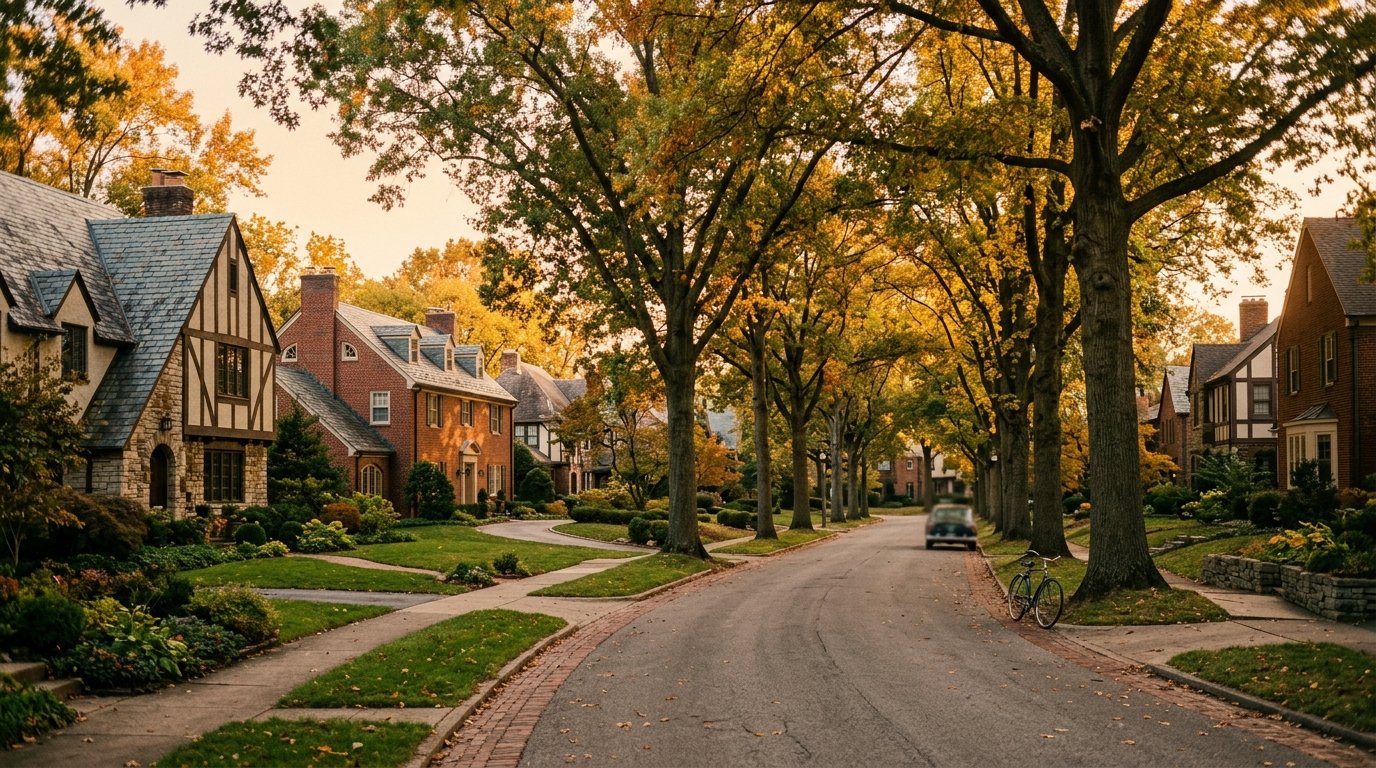
Chevy Chase and Ashland Park were planned a century ago around a statesman’s estate — still the address Lexington walks to dinner from.
Chevy Chase and Ashland Park are Lexington’s signature walkable neighborhoods — 1920s-era streets of character homes around Ashland, the Henry Clay estate, with shops and restaurants along Euclid Avenue and High Street. They are perennially in demand and rarely cheap; character at this level holds its value.
Property records and assessments for Fayette County addresses are maintained by the Fayette County Property Valuation Administrator.
What to Love
This is Lexington at its most complete: tree-vaulted streets laid out in the 1910s and 1920s around Ashland — Henry Clay’s estate, whose grounds remain the neighborhood’s green heart — with architecture that runs from foursquares and Tudors to colonials, and a genuine village center of shops and restaurants at Chevy Chase’s corners. Few Southern cities kept a neighborhood this intact; Lexington did.
Streets planned a century ago around a statesman’s estate — still the address Lexington walks to dinner from.
Local Lifestyle
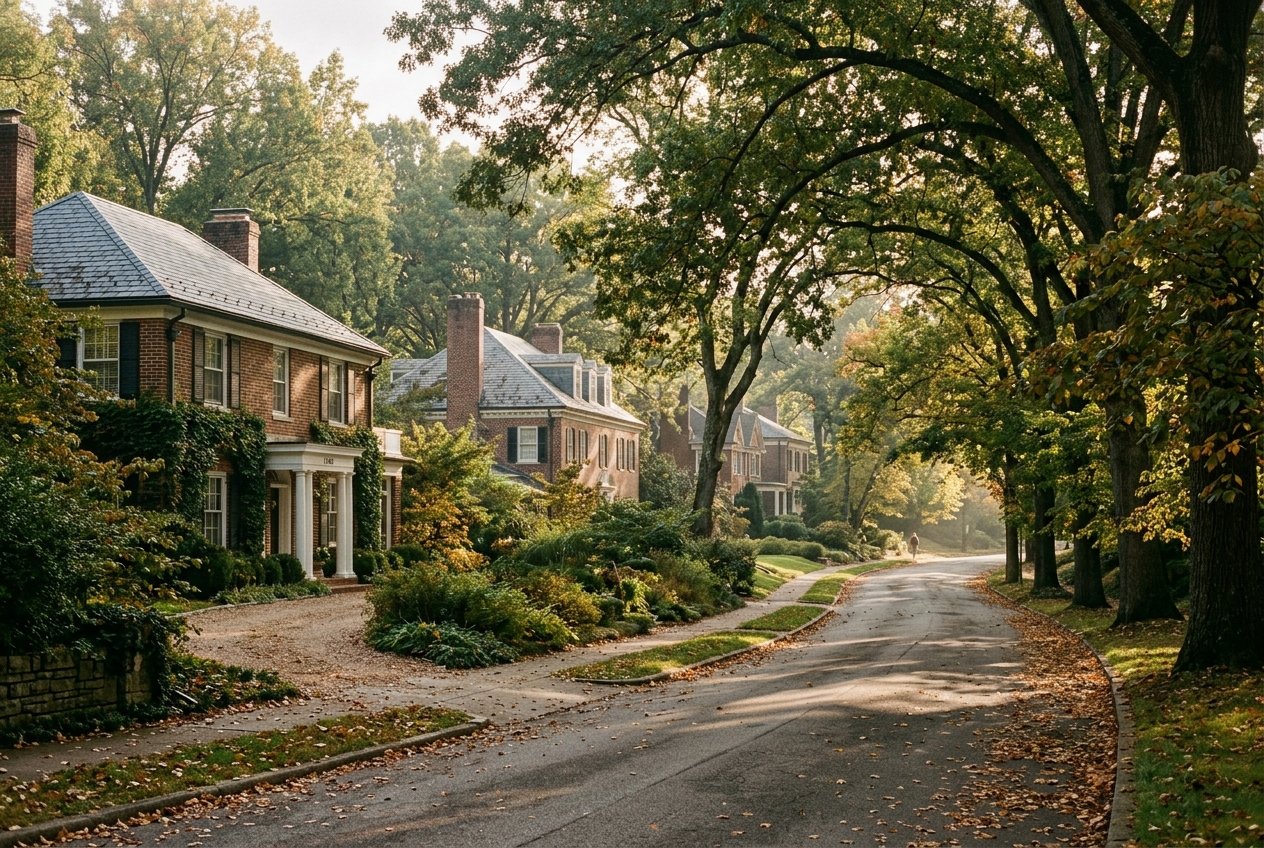
Life happens on foot: coffee on Euclid, dinner on High Street, the Ashland grounds for morning walks, and the university’s cultural calendar ten minutes away. The neighborhood skews engaged — porch conversations, garden pride, and a fierce protective streak about the tree canopy, which residents consider infrastructure.
Dining, Shopping & Everyday Life
The Chevy Chase business district packs local restaurants, bars, and shops into a few walkable blocks, with Romany Road adding its own cluster. Groceries and daily needs sit at the neighborhood’s edges. It is one of the few Lexington addresses where a car can sit idle all weekend.
Things to Do
Tour Ashland’s house and grounds, walk the Henry Clay estate trails, work through the restaurant list one weekend at a time, and let the university’s concerts, games, and lectures fill the calendar. Downtown and the Distillery District sit five minutes north for bigger nights.
The Housing Picture
Housing stock is character-first: 1920s-era homes with the proportions and materials that era did well, on streets where renovation is constant and teardowns are rare. Parts of the area carry historic-overlay protection — the historic homes guide explains what that means for owners. Demand is durable, inventory is scarce, and well-priced homes move fast; watching the market beats chasing it.
Common Questions
Why do these neighborhoods cost more per square foot?
Scarcity and permanence — the walkability, canopy, and architecture cannot be rebuilt elsewhere, and the supply of streets like these is fixed. Buyers pay for what cannot be reproduced.
Are these homes hard to maintain?
Century homes reward owners who respect them — expect ongoing stewardship rather than zero-maintenance living. The historic homes guide covers inspections, systems, and what ownership honestly involves.
Understand old-house ownership in the historic homes guide, or see the full Lexington guide.
Marcos Gil, REALTOR® · Keller Williams Commonwealth · Based in Beattyville, serving Lexington to the Red River Gorge · Also owner of Central Property Services and publisher of Invest in the Gorge — any recommendation involving my other businesses is disclosed in writing.
Watch These Streets With Marcos
Last updated: August 19, 2026