

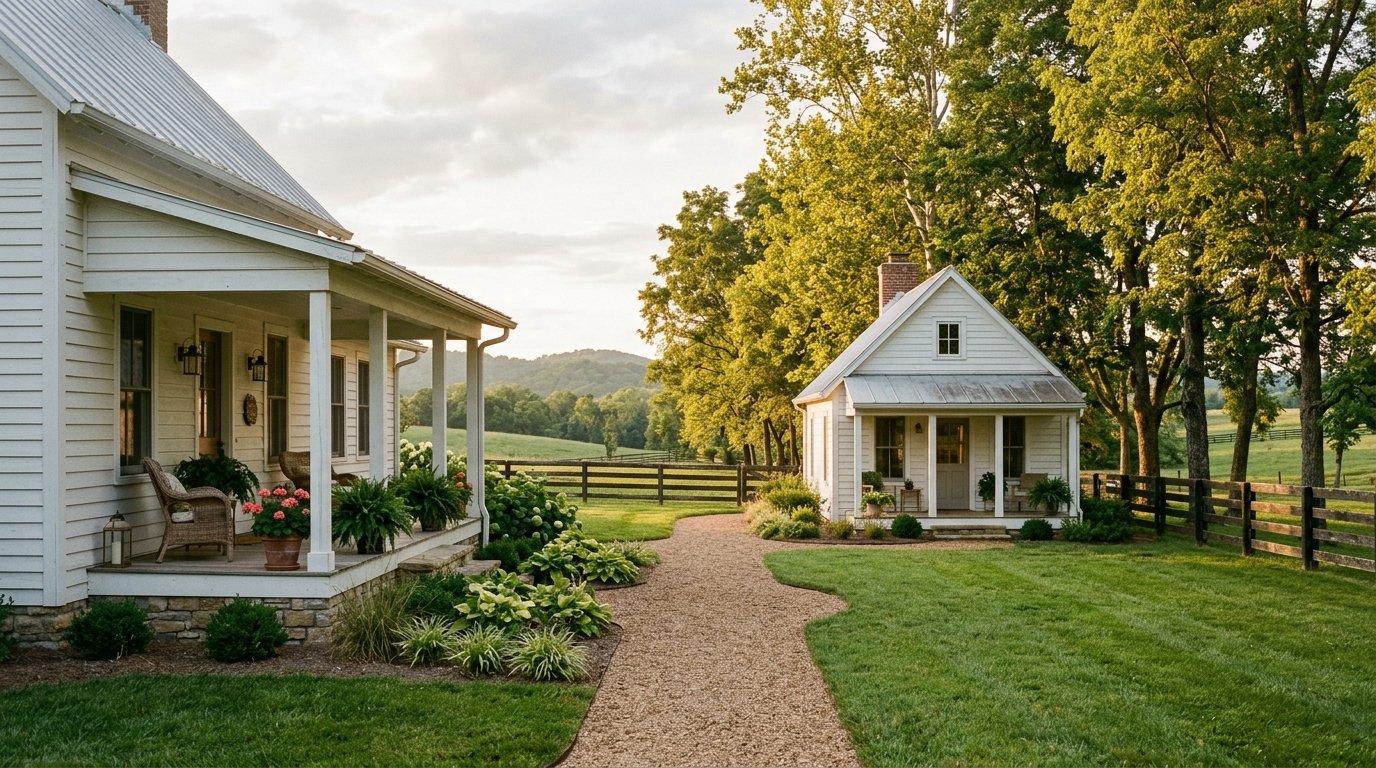
Homes with Guest Houses & ADUs in Central Kentucky
Two front doors, one address — if the zoning agrees.
A guest house or accessory dwelling unit gives one property two livable spaces — useful for hosting relatives, housing a caretaker, creating a studio or office, or generating rental income where zoning allows. The two diligence essentials: confirm what the local jurisdiction actually permits for occupancy and rental, and understand that appraisals often credit second dwellings unevenly. Verify legal status and condition before you pay for potential.
What buyers actually do with a second dwelling
The uses are more varied than the listings suggest: housing a parent or adult child with independence on both sides, quarters for a farm caretaker, a studio or serious home office, a landing pad for guests in a region where visitors stay for Keeneland week or Gorge trips, and — where legal — a rental unit. The best guest-house purchases start with a specific intended use, because the use determines what condition, layout, and legal status the second dwelling actually needs. “It’ll be useful somehow” is how people buy expensive storage.
Two front doors, one address — if the zoning agrees.
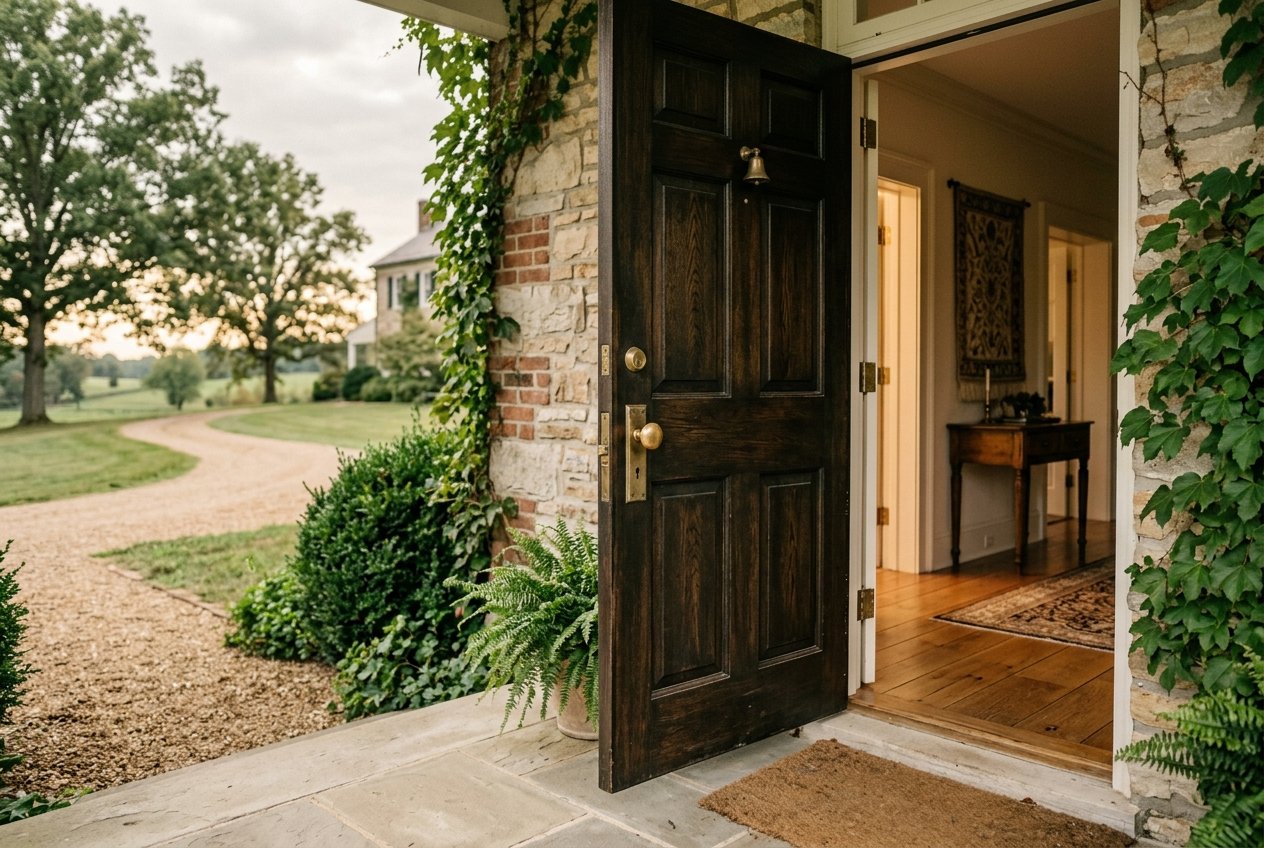
Zoning first, plans second
Whether a second dwelling can be occupied full-time, rented long-term, or rented short-term is a jurisdictional question, not a property feature. Rules differ meaningfully between Lexington — which has moved in recent years to allow accessory dwelling units more broadly — Richmond, the smaller cities, and unincorporated county land, and they change. Some structures were also built without permits and exist in a gray zone. Before you pay a premium for rental potential, verify current zoning, permitted use, and any short-term rental rules with the local planning office. I make that call part of diligence, every time.
How appraisals treat guest houses
Education worth having before you offer: appraisers credit accessory dwellings unevenly, because comparable sales with similar second units are often scarce and because legal status affects what value can be counted. A finished, permitted, fully livable cottage may still appraise for less than its construction cost — which matters if your financing depends on the appraisal. A licensed lender can explain how a specific loan program treats accessory units and any rental income from them. Buy on documented condition and legal status, not on a hoped-for appraisal outcome.
Inspecting the second structure properly
Guest houses hide their age well. Inspect the accessory dwelling as thoroughly as the main house: its own roof, HVAC or lack of it, electrical service (often a subpanel with limits), plumbing, and insulation. On rural properties, confirm how the second dwelling handles water and waste — a shared well and septic system must actually be sized for both structures, a point covered in my septic and well guide. Deferred maintenance concentrated in the building nobody lived in is the most common surprise in these purchases.
Where these properties show up
Central Kentucky’s guest-house stock clusters in farm and estate settings — land and farm properties with tenant houses, horse farms with staff quarters — plus older in-town lots with carriage houses and newer builds adding ADUs where zoning permits. Inventory is irregular, so this search rewards a standing brief: tell me the intended use and the counties you’d consider, and I’ll flag candidates as they surface, including some that never make a public portal.
Common Questions
Can I rent out a guest house or ADU in Central Kentucky?
Sometimes — it depends entirely on the jurisdiction and the structure’s legal status. Long-term rental, short-term rental, and full-time occupancy are each regulated differently across Lexington, the surrounding cities, and county land, and rules change. Verify with the local planning office before buying on rental potential, and treat any unpermitted structure’s status as a question to resolve, not an asset to assume.
Will a guest house increase the appraised value?
Often less than buyers expect. Appraisers depend on comparable sales, and true comparables with similar accessory dwellings are scarce; legal status further limits what can be credited. The practical advice: don’t let your financing plan depend on a generous appraisal of the second structure, and have a licensed lender explain how your loan program treats accessory units.
What’s the most common problem with guest-house properties?
A second building that quietly deteriorated because nobody lived in it — aging roofs, undersized electrical, moisture issues — combined with murky permit history. Inspect the accessory dwelling as seriously as the main house and pull its permit record. Priced correctly, a tired cottage can still be a fine project; discovered after closing, it’s just an expense.
If multigenerational living is the goal, see accessible and multigenerational homes; if income is the goal, start with house hacking in Kentucky.
Marcos Gil, REALTOR® · Keller Williams Commonwealth · Based in Beattyville, serving Lexington to the Red River Gorge · Also owner of Central Property Services and publisher of Invest in the Gorge — any recommendation involving my other businesses is disclosed in writing.
Search guest-house properties
Last updated: August 19, 2026