

House Hacking in Kentucky
House hacking in Kentucky: live in one unit, rent the rest. Understand exactly what you’re signing up for.
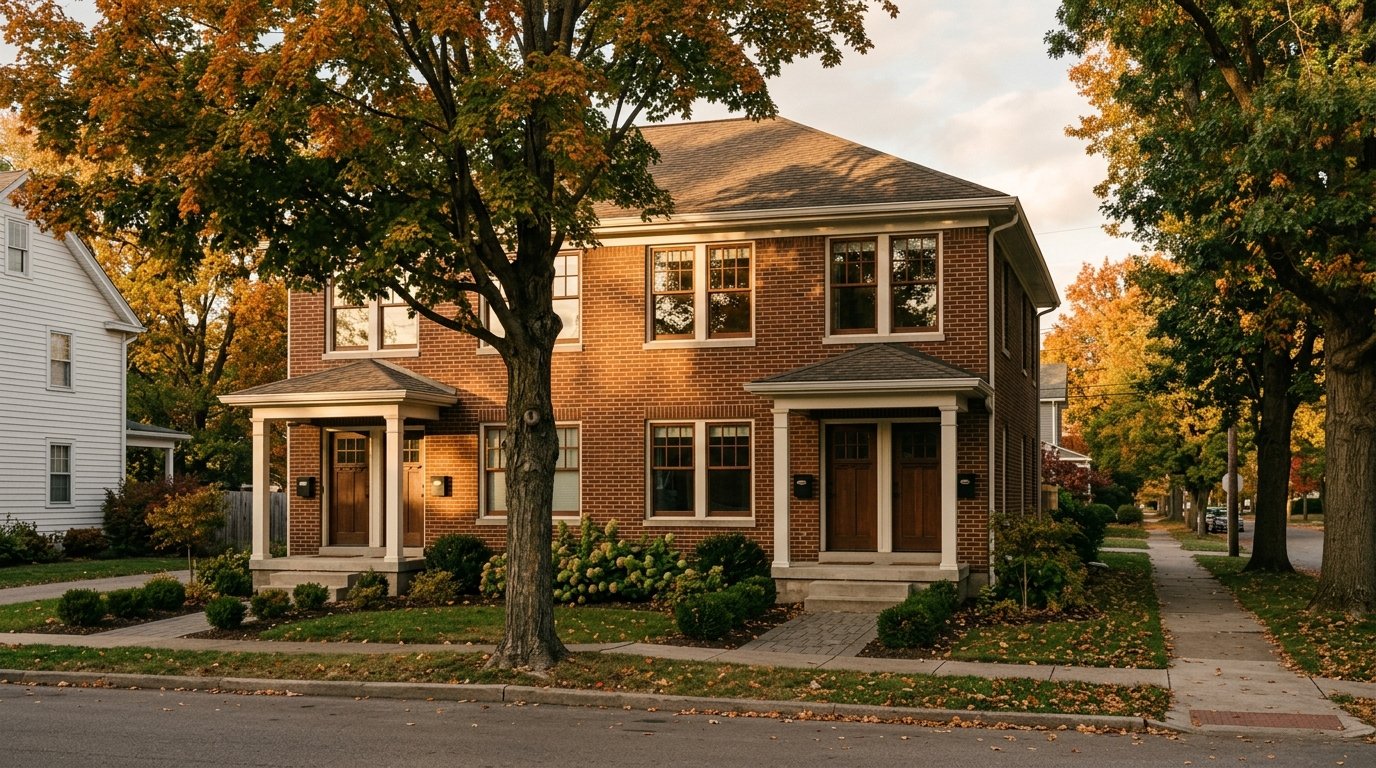
House hacking means buying a duplex, small multi-unit, or a home with an accessory dwelling, living in one unit, and renting the others so tenant rent offsets your housing cost. In Central Kentucky the product exists — older duplexes in Richmond and Lexington, homes with ADUs — and owner-occupant loan programs may apply. It works, but you become a landlord on day one, living beside your tenant. Consult a licensed lender on financing. You can check any Kentucky agent’s license standing through the Kentucky Real Estate Commission.
What house hacking actually is
House hacking is the plainest form of real estate investing: you buy a property with more than one livable unit, occupy one, and rent the remainder. The rent doesn’t make housing free — it offsets a mortgage you still personally owe. The appeal is that you’re buying as an owner-occupant rather than an investor, which changes the financing conversation, and you learn landlording with the shortest possible commute to your rental. The trade is privacy and simplicity. I’d rather you weigh that honestly before we tour anything.
Live in one unit. Rent the rest. Understand exactly what you’re signing up for.

Where the product exists in Central Kentucky
This strategy needs a specific product: duplexes, small multis, or houses with a second dwelling. Richmond has older duplex stock in the blocks around EKU, where student and hospital renters keep demand steady. Lexington’s older neighborhoods hold converted homes and side-by-side doubles, and the city has moved in recent years to permit accessory dwelling units more broadly — verify current zoning for any specific address before you count on an ADU. Small towns like Winchester and Berea occasionally offer storefront-and-apartment buildings that work on the same logic.
Financing education, not a rate quote
Owner-occupant loan programs have historically allowed certain multi-unit purchases when you live in one unit — this is where FHA, VA, and conventional owner-occupied guidelines matter, and where the details change often enough that I won’t recite them. Occupancy requirements are real commitments with real consequences, not paperwork formalities. I’m a REALTOR®, not a loan originator: a licensed lender should walk you through current programs, down payments, and whether projected rent can count toward qualifying. My job is finding the building that makes their math worth running.
The live-beside-your-tenant honesty
Your tenant knows where you live, because it’s the other door. Late-night maintenance calls arrive in person. Vacancy means your housing cost jumps back to full weight the same month. Shared walls, shared parking, and shared yards require rules you must write down and enforce with a neighbor. Some people find this manageable and even pleasant; others discover they’ve bought a part-time job attached to their home. Neither reaction is wrong — but only one of them should buy a duplex.
How I underwrite these with you
I don’t sell projections. When we evaluate a candidate property, we ask for what exists: current leases, actual rent history, utility responsibility, and the condition items — roof, mechanicals, separate meters or not — that decide whether two units genuinely function as two units. Anything volatile, from rents to values, deserves current dated numbers rather than a hunch; ask me and check the market report. No return promises, ever — just documents, condition, and a decision you can defend.
Common Questions
Do I have to live in the property to house hack?
Living there is the definition of the strategy and the basis of owner-occupant financing. Occupancy rules attached to those loan programs are genuine legal commitments — a licensed lender can explain current requirements and timelines. If you don’t intend to occupy, you’re simply buying a rental, which is a different conversation with different financing, covered on my investor page.
Is an ADU or a duplex the better first step?
A duplex gives you full separation — two addresses, ideally two meters. An ADU keeps you on one parcel with more shared space and depends entirely on local zoning, which varies by city and changes over time. Verify what the specific jurisdiction currently permits before assuming rental use is legal. Duplexes are simpler to finance and resell; ADUs can suit owners who want proximity, like hosting a relative first and renting later.
What goes wrong most often?
Underestimating the second unit’s condition, and overestimating your appetite for proximity. A tired roof or a shared electrical panel can erase years of rent offset. And some owners simply dislike being the landlord next door. Inspect both units thoroughly, verify who pays which utilities, and be honest about temperament before closing.
The broader playbook lives on my investor services page, and if you outgrow the duplex, small multifamily is the natural next rung.
Marcos Gil, REALTOR® · Keller Williams Commonwealth · Based in Beattyville, serving Lexington to the Red River Gorge · Also owner of Central Property Services and publisher of Invest in the Gorge — any recommendation involving my other businesses is disclosed in writing.
Talk house hacking
Last updated: August 19, 2026