
Mixed-Use Buildings in Central Kentucky
One roof, two incomes, and a Main Street address.
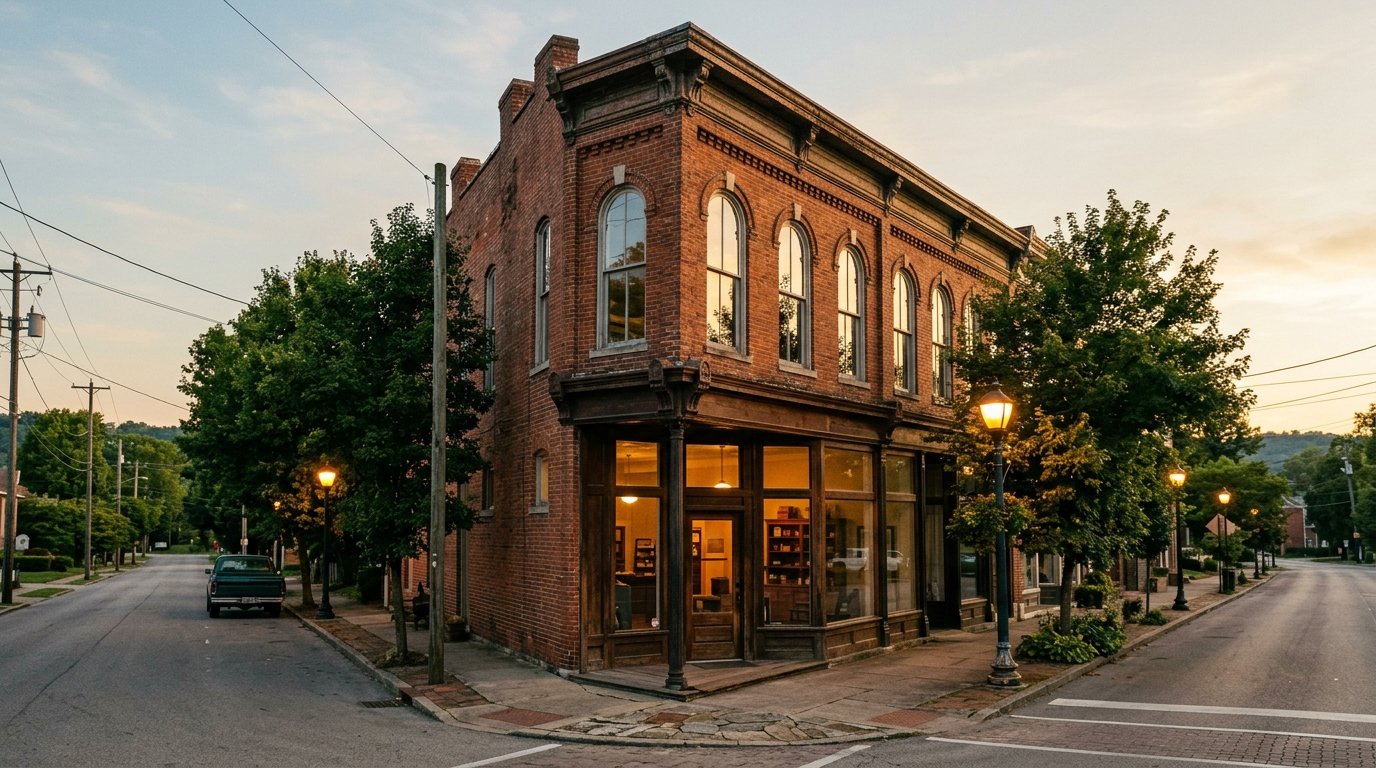
Mixed-use buildings — typically a ground-floor storefront with apartments above — line the downtown blocks of Richmond, Winchester, Berea, and Central Kentucky’s smaller towns. They offer two income streams from one roof and the option to live or work in your own building. The trade-offs are age-related capital needs and financing that depends on the unit mix. A licensed lender should confirm how a specific building will be classified before you write an offer.
The product: storefront below, apartments above
Central Kentucky’s courthouse towns were built mixed-use before the term existed — commerce at sidewalk level, living quarters upstairs. Downtown Richmond, Winchester, Berea, and towns like Beattyville still hold this stock: brick buildings with display windows below and one to four apartments above. The appeal is diversification in miniature — a commercial lease and residential rents that rarely go vacant simultaneously. The reality is that most of these buildings are old, and age is a line item, not a mood.
One roof, two incomes, and a Main Street address.
Two income streams, two kinds of tenant
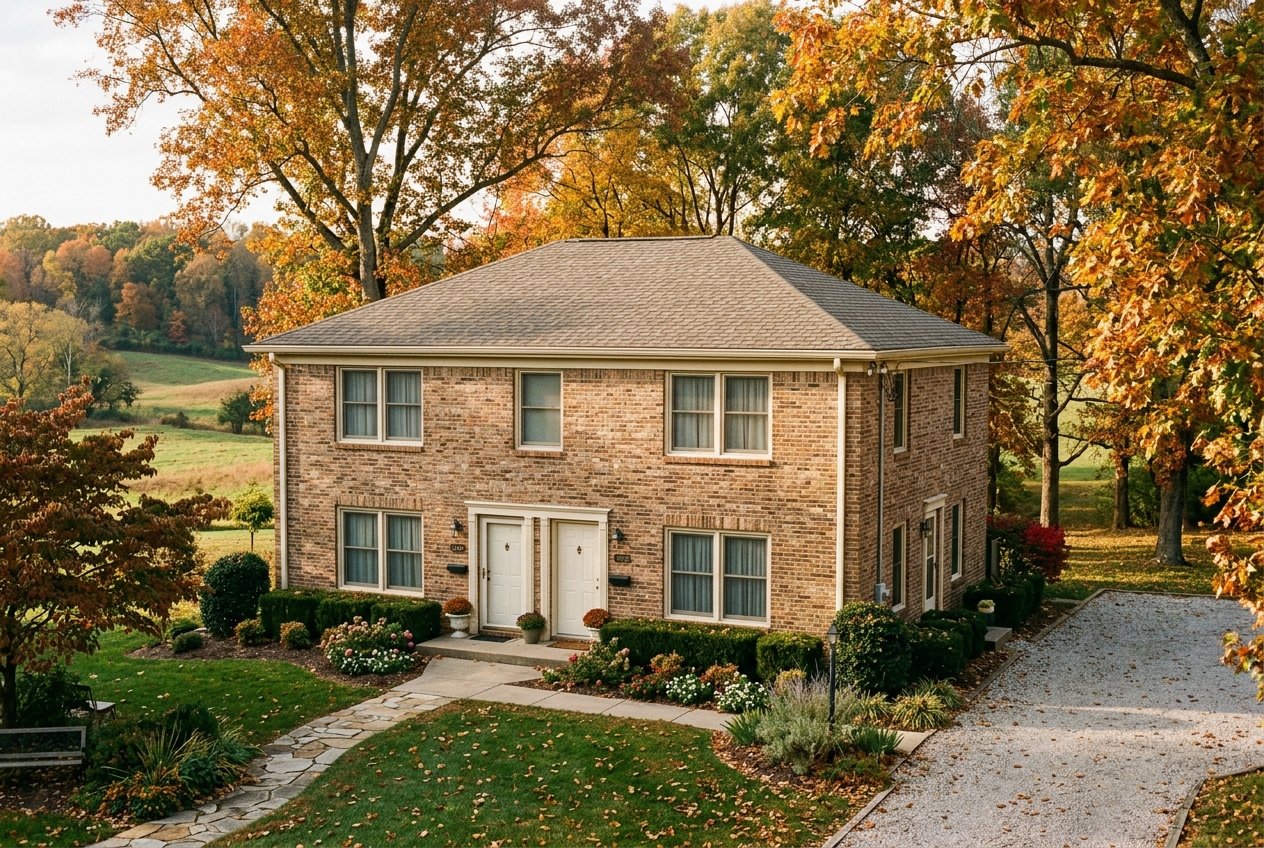
The upstairs units behave like ordinary apartments: steady demand in walkable downtowns, standard leases, residential turnover. The storefront behaves differently — commercial vacancies can run longer, and the right tenant depends on the block’s foot traffic and the town’s trajectory. Underwrite the building so the apartments alone keep the lights on and the storefront is upside, not life support. Ask for actual leases and ledgers on both floors; a “great location for a café” is a hope, not a rent roll.
Financing nuance worth understanding early
How a mixed-use building finances depends heavily on its composition — the number of residential units and the share of commercial space influence whether a lender treats it as residential or commercial, and the two paths carry different down payments, rates, and documentation. This is education, not a quote: rules vary by lender and change, so have a licensed lender classify the specific building before you get attached. My commercial financing overview and DSCR guide sketch the landscape you’ll be choosing from.
Live above the shop
The most underrated version of this purchase is the owner who occupies part of it — living upstairs while renting the storefront, or running a business below with tenants above. It compresses your cost of living and working into one asset and puts the landlord on site, which storefront tenants often value. It also means your home shares a boiler, a roof, and a stairwell with your investment — every building problem is now a personal one. The same honesty applies here as with house hacking: temperament decides.
Diligence for century-old buildings
Old downtown buildings reward specific inspection: roof and parapet condition, masonry and tuckpointing, the age of wiring and plumbing risers, fire separation between commercial and residential spaces, and code requirements that may attach when use changes. Ask the city about any facade or historic-district obligations — Winchester and Berea both have active downtown programs, and requirements vary. Budget capital reserves honestly. For current pricing and rent context, ask me for dated numbers and see the market report.
Common Questions
Are mixed-use buildings financed as residential or commercial?
It depends on the building’s composition and the lender’s rules — the number of dwelling units and the proportion of commercial space are the usual hinge points, and treatment varies between lenders and over time. The honest answer is to have a licensed lender review the specific property early, because the classification affects down payment, rate, and documentation significantly.
What’s the biggest risk with a Main Street building?
Capital surprises and storefront vacancy. These are mostly older structures, so roofs, masonry, and mechanical systems carry real replacement costs, and a commercial space can sit empty far longer than an apartment. Buy with the apartments carrying the building, inspect thoroughly, and keep reserves. A building bought on the assumption of a quickly leased storefront is a fragile plan.
Can I live in the building myself?
Often, yes — living upstairs while renting the commercial space is a long tradition in these towns and can anchor your housing cost. Confirm zoning and any owner-occupancy financing implications with the city and a licensed lender, and be sure the residential unit meets code for separate egress and fire separation. It suits people who like being close to their asset; it wears on those who don’t.
The strategy overview lives on my investor page, and if a tax-deferred trade into one of these buildings interests you, read the 1031 exchange guide.
Marcos Gil, REALTOR® · Keller Williams Commonwealth · Based in Beattyville, serving Lexington to the Red River Gorge · Also owner of Central Property Services and publisher of Invest in the Gorge — any recommendation involving my other businesses is disclosed in writing.
Tour a Main Street building
Last updated: August 19, 2026