
Small Industrial & Flex Space in Central Kentucky
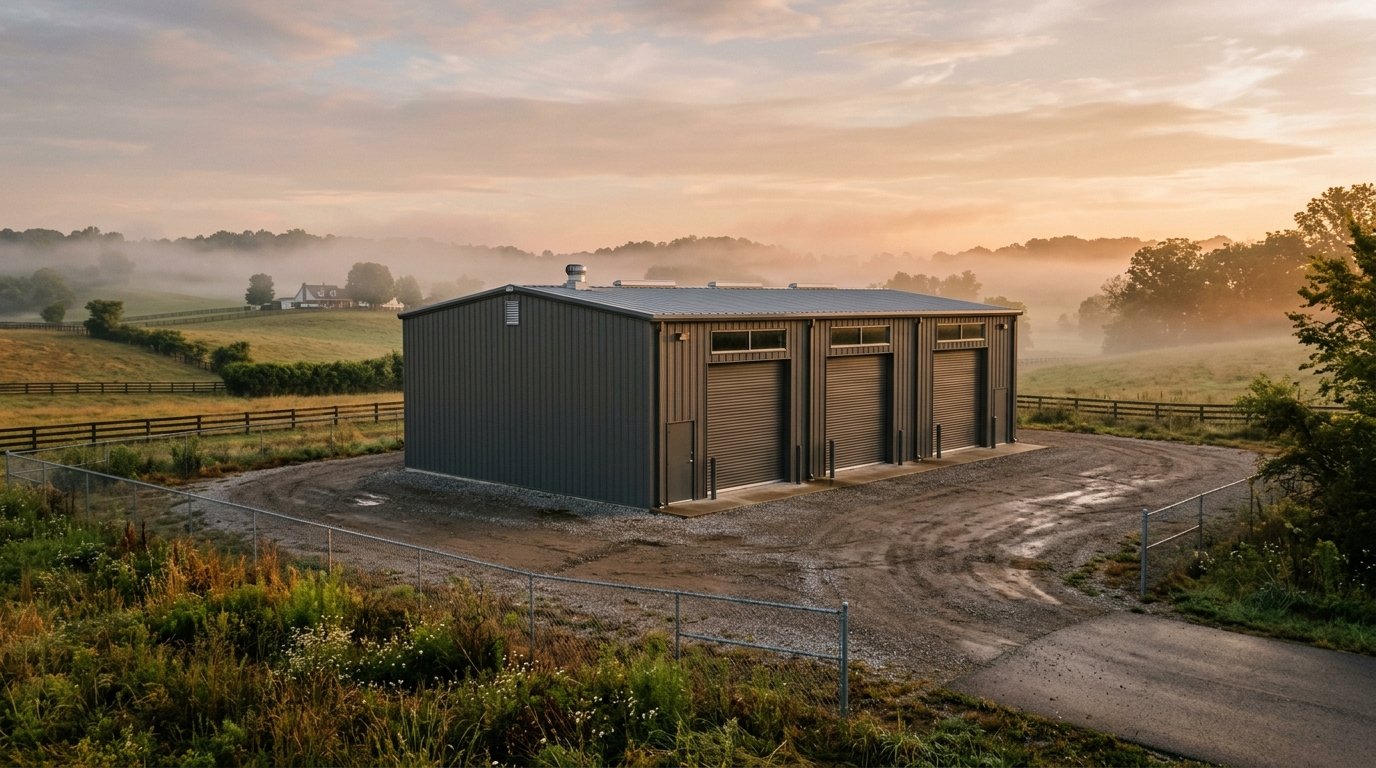
Unlovely buildings, honest demand — if the bones fit the tenant.
Small industrial and flex buildings in Central Kentucky serve contractors, fabricators, distributors, and service businesses that need bays, power, and truck access rather than storefronts. The region’s position at the I-75/I-64 junction, with the Toyota manufacturing ecosystem in Georgetown, supports utilitarian demand. Evaluate the physical basics — electrical service, clear height, doors, and truck access — because they decide which tenants a building can serve. Verify everything at the property, not from the listing.
Who rents small industrial here
Forget the image of vast distribution centers — the small industrial tenant in Central Kentucky is a plumbing contractor storing trucks and inventory, a cabinet shop, a gym-equipment distributor, a landscaper, an e-commerce seller who outgrew the garage. These businesses need bays, a bit of office, power, and the ability to get a truck in and out. Their demand is steady precisely because it’s unglamorous: they use every square foot, and moving a shop full of equipment is disruptive enough that tenants tend to stay put when the building works.
Unlovely buildings, honest demand — if the bones fit the tenant.
The corridor’s logistics logic
Central Kentucky sits where I-75 and I-64 cross — a genuine structural advantage for any business that ships, receives, or dispatches crews. Georgetown’s Toyota plant anchors a manufacturing and supplier ecosystem to the north, while Lexington, Richmond, and Winchester each support their own contractor and light-industrial base. This explains the demand qualitatively; it does not price any specific building. For current rents, vacancy, and sale comparables, ask me for dated figures and see the market report — industrial data moves and deserves fresh numbers.
The physical checklist that decides everything
Industrial value lives in specifications. Electrical service first: three-phase power, and how many amps, determines whether a fabricator can even consider the space. Clear height under the joists governs racking and lifts. Door count, size, and type — grade-level versus dock-high — sort which tenants fit. Then truck access: can a delivery vehicle actually turn in, and does the lot surface survive it? Floor slab condition, drainage, and zoning close the list. A building failing two of these serves a much smaller tenant pool, whatever its price suggests.
Flex space, specifically
Flex buildings — part office or showroom, part warehouse — are the corridor’s most adaptable small commercial product. The same shell can house a countertop showroom, a physical therapy equipment supplier, or a drone-services firm, which cushions re-leasing risk. The trade-off is that flex tenants are often smaller businesses with shorter track records, so lease diligence and deposits matter more. Compare this against small office and NNN retail to see where flex sits on the effort-versus-resilience spectrum.
Buying process and financing notes
Industrial purchases run through commercial diligence: environmental questions (a Phase I assessment is standard practice for many lenders), zoning confirmation, survey, and a hard look at roof and slab — the two costliest components. Financing paths range from conventional commercial loans to SBA programs for owner-occupant businesses buying their own shop; see the commercial financing overview and confirm specifics with a licensed commercial lender. If you’re a contractor tired of renting bays, the owner-occupant analysis is often where this conversation starts.
Common Questions
What should I check first when touring a flex or industrial building?
Power, height, doors, access — in that order. Confirm the electrical service (three-phase or not, and amperage), measure clear height rather than trusting the flyer, count and size the bay doors, and watch whether a truck can realistically enter and turn. Those four facts define the tenant pool. Roof and slab condition then define your capital risk.
Do I need an environmental assessment?
For many industrial purchases, lenders require a Phase I environmental site assessment, and it’s often prudent even in cash deals — prior uses like auto repair or manufacturing can leave issues that become the owner’s problem. Ask about property history early, and let the assessment process, not assurances, answer the question. An attorney can advise on environmental risk allocation in the contract.
Is small industrial better than retail or office right now?
They’re different risk shapes rather than a ranking. Industrial demand here is utilitarian and steady; retail depends on location and tenant credit; office carries post-2020 re-leasing questions. I don’t rank asset classes or project returns — I help you match a specific building and tenant thesis to your capital and appetite, with current dated data.
Start at my investor overview, and if your thesis is land rather than buildings, see development sites in Central Kentucky.
Marcos Gil, REALTOR® · Keller Williams Commonwealth · Based in Beattyville, serving Lexington to the Red River Gorge · Also owner of Central Property Services and publisher of Invest in the Gorge — any recommendation involving my other businesses is disclosed in writing.
Walk a flex building
Last updated: August 19, 2026