

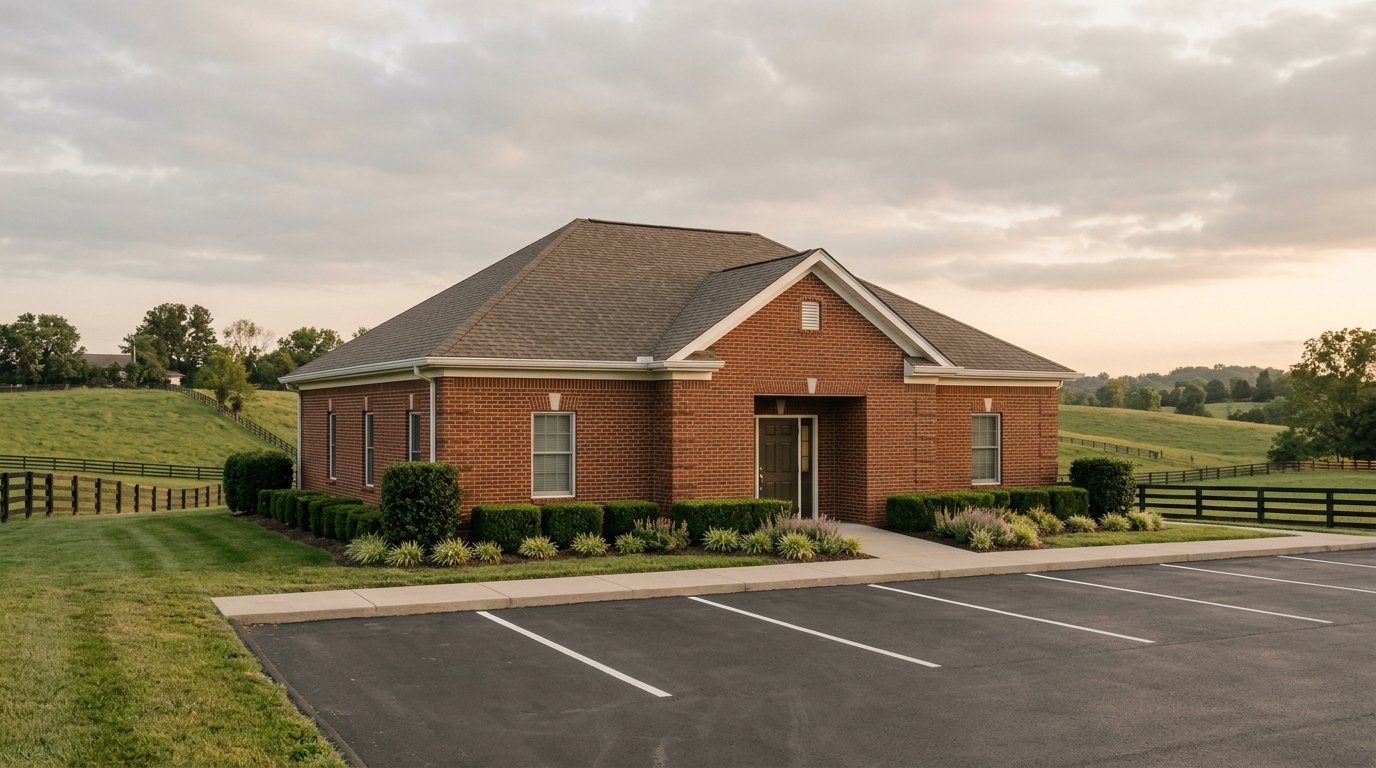
Small Office & Medical Office in Central Kentucky
Office isn’t dead here — but it must earn its keep, suite by suite.
Small office investing in Central Kentucky requires post-2020 honesty: general office demand changed when work went hybrid, and not every suite will re-tenant easily. The more resilient corners are medical-adjacent space near Lexington and Richmond hospital systems and small owner-occupied buildings where a business houses itself, sometimes with SBA financing. Underwrite each building on its actual leases and its realistic alternative uses — never on pre-2020 assumptions.
The post-2020 truth about office
I won’t romanticize this asset class. Hybrid work permanently changed how much general office space many tenants need, and a suite that leased easily in 2019 may sit today. Central Kentucky’s small-office market is steadier than big-city towers — tenants here are often medical practices, counselors, attorneys, and local firms that genuinely use their space — but steadier is not immune. Every office purchase should start with a blunt question: if the current tenant leaves, who realistically takes this space, at what effort, and after how long?
Office isn’t dead here — but it must earn its keep, suite by suite.
Why medical-adjacent holds up better
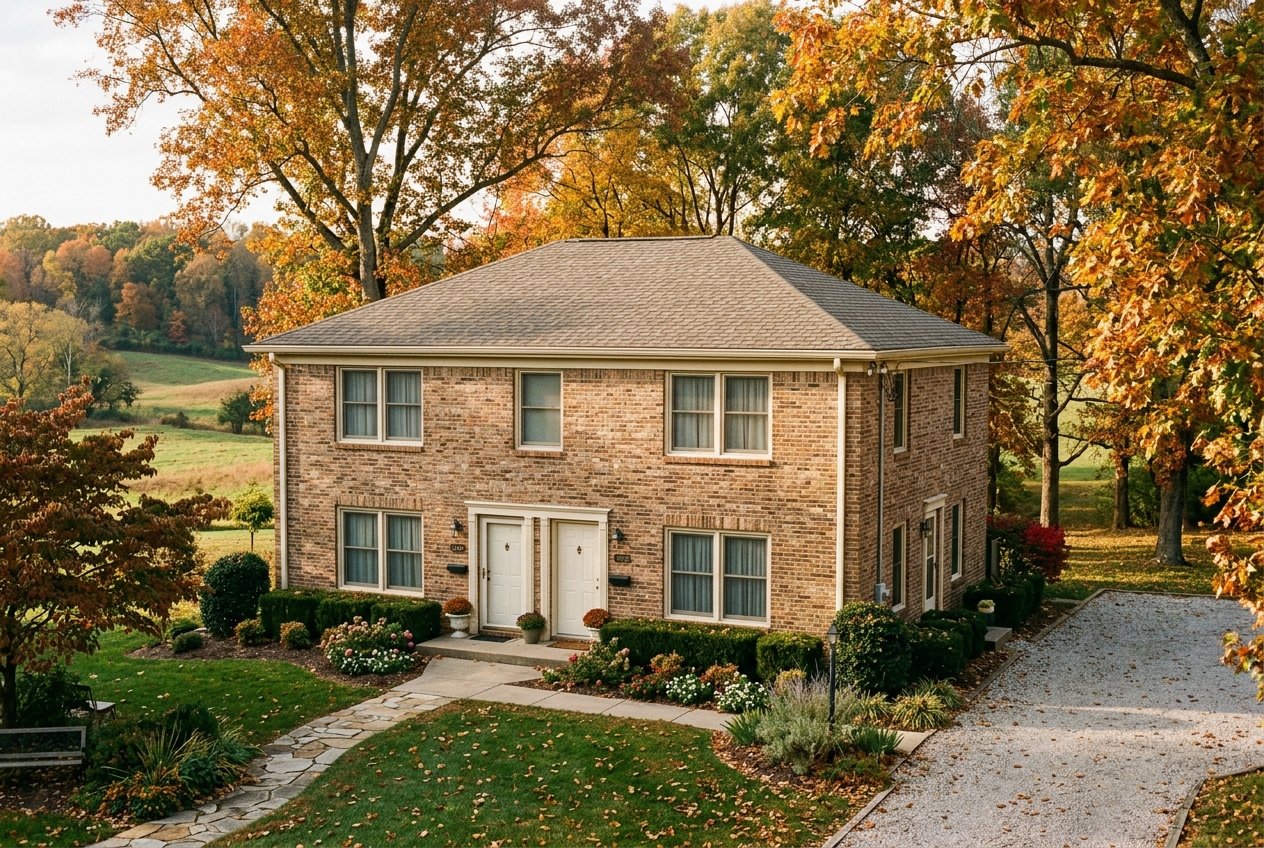
Healthcare largely still happens in person, which is why space near hospital campuses and along medical corridors in Lexington and Richmond tends to re-tenant more readily than commodity office. Exam rooms, plumbing in multiple rooms, ADA access, and parking ratios make medical space expensive to create and therefore valuable to keep — a qualitative resilience, not a promise. If you’re evaluating a medical-adjacent building, the diligence centers on build-out condition, lease terms with the practice, and how specialized the space is to one tenant’s workflow.
The owner-occupant path and SBA education
The strongest case for small office here is often the business that buys its own building. Owner-occupied commercial purchases can qualify for SBA loan programs with characteristically lower down payments than investor deals — education only; program terms change, and a licensed commercial lender should confirm what applies. See my commercial financing overview for the landscape. For a professional practice paying rent in Richmond or Lexington, the buy-versus-lease analysis is worth running with your CPA — sometimes the answer is keep renting, and I’ll say so.
What to check before you offer
Office diligence is unglamorous and decisive: actual signed leases and their expiration ladder, tenant improvement obligations you inherit, HVAC age and zoning by suite, roof condition, parking counts against modern expectations, and ADA compliance. Ask how long recent vacancies took to fill — that number tells you more than any brochure. All volatile figures — rents, vacancy, pricing — deserve current dated data; ask me and see the market report rather than trusting older assumptions.
Where this fits in a corridor portfolio
Office is one lane among several. Investors wanting commercial exposure with simpler tenancy often prefer NNN retail; those wanting utilitarian demand look at small industrial and flex. Office earns its place when you have a specific tenant thesis — your own firm, a medical practice, a proven local tenant base — rather than a generic belief in the asset class. I’ll help you pressure-test that thesis before money moves.
Common Questions
Is small office in Central Kentucky a good investment right now?
It depends entirely on the building and the tenant thesis. General office carries real re-leasing risk after the shift to hybrid work; medical-adjacent and owner-occupied situations tend to hold up better for structural reasons. I’d evaluate a specific property’s leases, condition, and realistic alternative tenants before forming any view — and I don’t make return predictions for any asset class.
What is the advantage of buying office space for my own business?
An owner-occupant can potentially use SBA loan programs designed for businesses buying their premises, build equity instead of paying rent, and control their space long term. The trade-offs are concentration of capital, building responsibilities, and reduced flexibility if the business outgrows or leaves the market. Run the buy-versus-lease math with a licensed commercial lender and your CPA — the answer is genuinely situational.
How is medical office different from regular office?
Medical space carries specialized build-out — plumbing in exam rooms, ADA-compliant access, heavier parking needs — that costs real money to create and adapt. That makes existing medical space comparatively durable but also more tenant-specific. Diligence focuses on how reusable the build-out is for another practice and on lease terms with the current occupant.
See the full commercial landscape at my commercial services page and compare financing paths on the commercial loans guide.
Marcos Gil, REALTOR® · Keller Williams Commonwealth · Based in Beattyville, serving Lexington to the Red River Gorge · Also owner of Central Property Services and publisher of Invest in the Gorge — any recommendation involving my other businesses is disclosed in writing.
Evaluate an office building
Last updated: August 19, 2026