
Lexington Lifestyle
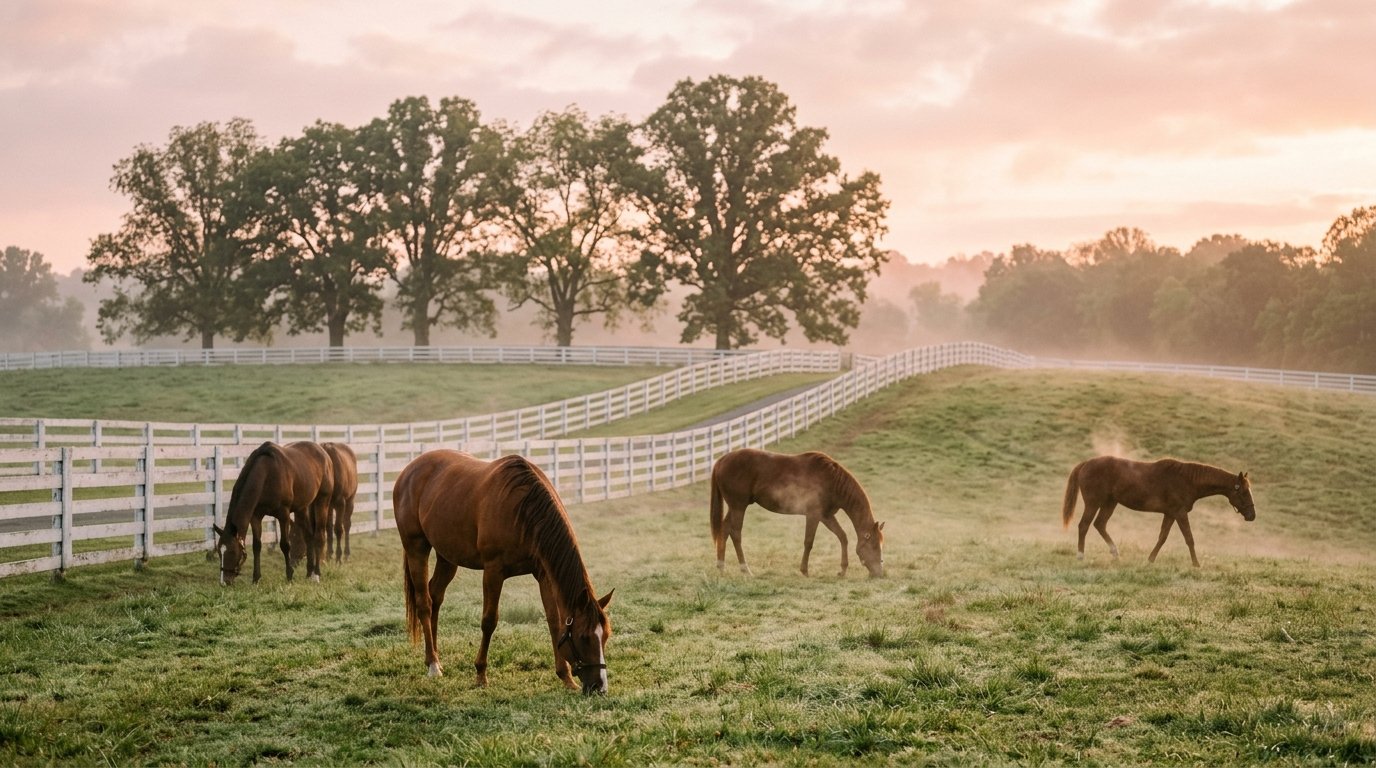
The Lexington lifestyle belongs to a city that keeps horse-farm hours and chef-driven evenings.
Lexington lives on a calendar all its own: Keeneland’s spring and fall race meets bookend the year, summer fills downtown stages and festival weekends, and horse-farm country begins where the streets end. Add a genuinely chef-driven food scene, working bourbon heritage along Manchester Street, and a university city’s arts life, and you get a place that feels both smaller and richer than its size suggests. This page is the portrait; the practical guides are linked throughout. Property records behind all of it are public through the Fayette County PVA.
The Keeneland year
Lexington’s calendar bends around Keeneland the way coastal towns bend around tides. The spring meet arrives each April with dogwoods and seersucker; the fall meet each October with woodsmoke air and the best racing light of the year. But the track is not only race days — mornings during training season, anyone can watch workouts over coffee as the sun comes up, which may be the city’s most underrated ritual. The neighborhoods within an easy drive of the track carry their own rhythm and market logic, covered in the Keeneland-area living guide.
A city that keeps horse-farm hours and chef-driven evenings.
Summer on the city’s stages
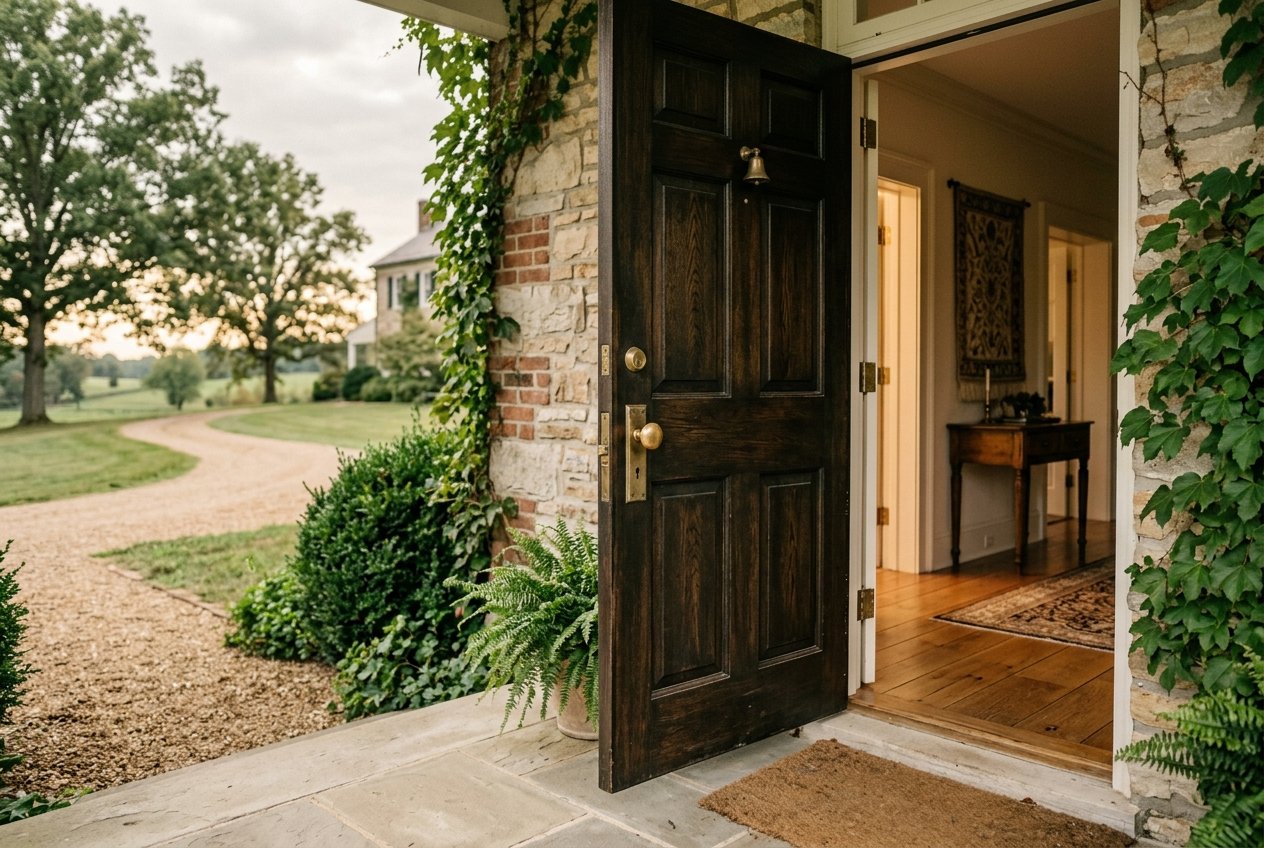
When the spring meet ends, the city moves outdoors. Downtown courtyards and lawns fill with concert series on summer evenings, festival weekends string through the season, and patio culture runs from April well into October in a good year. The scale is the charm: you park once, you run into people you know, and the headliner is close enough to see. It is a city where summer entertainment is a habit rather than an event — something you fold into an ordinary Thursday instead of planning around.
A food scene with a point of view
Lexington eats far above its weight class. The city’s chef-driven kitchens work Kentucky ingredients without turning them into a theme, the bourbon bars pour deep lists with actual knowledge behind them, and the distillery corridor along Manchester Street has grown into an evening district of its own — rickhouse architecture, restaurants, and music venues shoulder to shoulder, covered properly in the Distillery District guide. Add farmers markets fed by the surrounding farm belt and a stubborn independent-coffee culture, and eating well here is simply the default setting.
Horse culture you can actually touch
In most cities, the signature industry sits behind glass. Lexington’s is on the other side of a plank fence. Working farms line the roads out of town, the Kentucky Horse Park operates year-round as a living museum of the sport, and farm tours put you close enough to hear champion bloodlines breathing. You do not need to own a horse — or ever ride one — for this to shape daily life: it is the reason the countryside looks the way it does, the reason April and October feel electric, and the reason the city guards its green edges so fiercely.
The arts, the university, and the everyday
A university city keeps its culture stocked: touring Broadway and symphony seasons downtown, galleries that actually rotate, readings, lectures, and the steady hum UK brings to the calendar. The everyday texture matters as much — morning walks in wooded parks, the arboretum in every season, historic neighborhoods where the architecture rewards a slow street. None of it is spectacular in the theme-park sense, and that is rather the point: Lexington’s luxury is a well-made ordinary week. The practical view — neighborhoods, trade-offs, logistics — lives in the living in Lexington guide.
Common Questions
Do I need to care about horses to enjoy living in Lexington?
No — but you will inherit the benefits regardless. The horse economy preserved the green belt, built the spring and fall social calendar, and keeps the countryside within a few minutes of downtown. Plenty of residents never attend a race; the landscape and rhythm the industry sustains reach everyone.
What is the food scene actually like day to day?
Less about a handful of destination restaurants, more about depth: chef-run kitchens, serious bourbon bars, a working distillery corridor with restaurants and music, and farmers markets fed by surrounding farmland. It is a city where a casual weeknight meal is reliably good, which matters more over a decade than any single reservation.
When does the city feel most alive?
April and October, when the Keeneland meets run and the weather performs — locals plan reunions and visits around those windows. Summer counters with outdoor concerts and festival weekends. Winter is the quiet season, which residents tend to describe as a feature: the city exhales, restaurants are easy, and the countryside turns austere and beautiful.
For the practical companion to this portrait, see living in Lexington, then go deeper on Keeneland-area living and the Distillery District.
Marcos Gil, REALTOR® · Keller Williams Commonwealth · Based in Beattyville, serving Lexington to the Red River Gorge · Also owner of Central Property Services and publisher of Invest in the Gorge — any recommendation involving my other businesses is disclosed in writing.
Explore living in Lexington
Last updated: August 19, 2026