


Home Staging in Kentucky
Home staging in Kentucky cannot fix the price. It can make the right price obvious.
Staging prepares a home to photograph and show at its best — editing, arranging, and sometimes furnishing so buyers read the space instead of the seller’s life in it. It reliably improves presentation and first impressions; it does not fix condition problems or overcome a wrong price. Vacant homes and occupied homes call for different approaches, and a disciplined DIY standard captures much of the value at little cost. Whoever you interview for the listing itself, you can verify their license standing through the Kentucky Real Estate Commission.
What staging actually does — and its honest limits
Staging works on perception, and perception is real money: buyers decide quickly, from photographs first, and a staged room reads larger, brighter, and easier to imagine living in. That is the whole mechanism — reducing the imaginative work a buyer must do. Now the limits, which deserve equal print: staging does not repair a roof, cure a musty basement, or rescue a wrong price. A beautifully staged, overpriced home simply produces beautiful photographs of a listing that sits — pricing discipline, covered in pricing your home, does work staging cannot. I recommend staging as presentation strategy, never as camouflage; buyers and their inspectors find what fabric was arranged to soften.
Staging cannot fix the price. It can make the right price obvious.
Vacant homes — why empty shows poorly
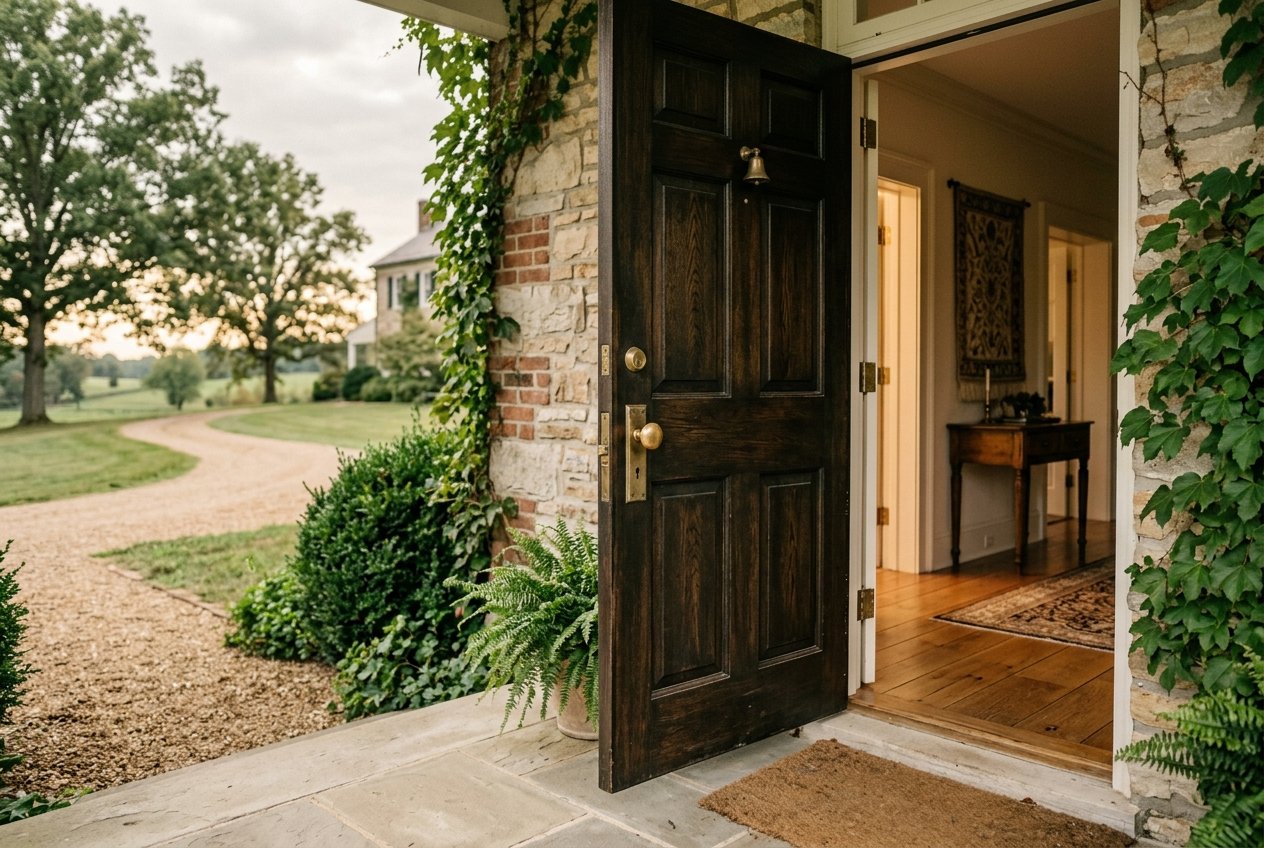
Empty rooms should be easy to imagine into, but the opposite happens: without furniture, buyers misjudge scale, cannot tell whether the bedroom takes a king bed, and fixate on the flaws bare walls and floors put on display. Vacant staging answers this — professionally furnishing key rooms, typically the living space, primary bedroom, and dining area, for a setup fee plus monthly rental. It matters most for vacant houses at price points where buyers expect polish, and for oddly shaped rooms that photographs otherwise flatten. Lighter-touch options exist, and their cousin — virtual staging — is addressed in the FAQ below with the disclosure rules I hold to.
Occupied homes — editing beats decorating
Most Kentucky sellers live in the home while selling it, and occupied staging is less about bringing things in than taking things out. The working sequence: declutter hard — surfaces cleared, closets thinned to half-full, furniture removed until rooms breathe. Depersonalize — photographs, collections, and name-bearing items down, so buyers see a house rather than someone else’s home. Neutralize the loud choices where cheap to do — paint being the classic dollar-for-dollar winner. Then arrange what remains for sightlines and light. A staging consultation — a professional’s room-by-room punch list executed by you — is the high-leverage, low-cost version, and it is where I usually start sellers in this market.
The cost-benefit question, answered honestly
Does staging pay? The honest answer is that it depends on the gap it closes. A dated-but-sound home photographing poorly has a large gap; professional staging can move the outcome meaningfully. A clean, well-kept home has a small gap; a consultation plus disciplined DIY captures most of the value, and paying for full staging buys polish you already had. Vacant homes generally justify intervention most. I will not quote universal return figures, because none honestly exist. What I will do is walk your rooms and tell you which tier your home needs, spending your money as if it were mine, within the plan in preparing your home to sell.
The DIY standard — what every listing owes itself
Whatever tier you choose, no listing of mine goes to market below this floor. Every bulb working, and warm-toned. Windows washed — light is the cheapest renovation. Floors done well; carpets cleaned. Kitchens and baths scrubbed to hotel standard, counters bare but for one or two deliberate objects. Beds dressed properly. Lawn cut, edges trimmed, porch swept, a clean doormat — the photograph most buyers see first is the front of the house. Pets invisible for photos and showings, and the house smelling of nothing. This costs effort more than money, and it is the difference between photographs that argue for your price and photographs that argue with it. The camera side is covered in property presentation.
Common Questions
Is professional staging worth it for an average Kentucky home?
Sometimes — and I will tell you when it is not. Occupied homes usually get most of the benefit from a consultation plus rigorous editing by the seller. Vacant homes and higher price points justify professional furnishing more often, because buyer expectations rise with price. The honest test: staging pays when presentation is the weak link. When price or condition is the weak link, fix that first.
What about virtual staging?
Digitally furnishing photos of empty rooms is inexpensive and can help buyers read scale online — but I use it carefully and always labeled as virtually staged, because images that mislead cost trust at the showing, where the room is still empty. It supplements honest photography; it does not replace physical presentation for the buyers who walk through. Bait-and-switch photography is bad ethics and worse strategy.
How long does staging take before listing?
Build in more time than feels necessary. A consultation happens in an afternoon, but executing it — decluttering, painting, small repairs — typically takes a seller a few weekends of real work. Vacant staging needs scheduling and installation lead time. I sequence all of it backward from the photography date, because the photographs are the deadline that matters. Rushing presentation to list three days sooner is almost always a bad trade.
Staging is one piece of preparing your home to sell — see the full arc in the Kentucky home selling process.
Marcos Gil, REALTOR® · Keller Williams Commonwealth · Based in Beattyville, serving Lexington to the Red River Gorge · Also owner of Central Property Services and publisher of Invest in the Gorge — any recommendation involving my other businesses is disclosed in writing.
Get a presentation plan
Last updated: August 19, 2026