

Energy-Efficient Homes in Kentucky
Efficiency you can verify, not efficiency you’re told about.
In Kentucky’s climate — humid summers, cold snaps, real heating and cooling seasons — home efficiency comes down to insulation and air sealing, HVAC age and type, and window condition, roughly in that order. Certifications like ENERGY STAR or HERS ratings mean something when documented, but marketing language usually outruns the paperwork. The reliable verification is boring: ask for twelve months of actual utility bills and read them.
What Kentucky’s climate actually demands
Kentucky sits in a mixed-humid climate: summers hot and sticky enough to work air conditioners hard, winters with genuine cold snaps, and humidity as the year-round complication. That means efficiency here isn’t one number — it’s how well a house keeps conditioned air in and moisture managed. The hierarchy is consistent: air sealing and insulation first (attics above all), then the HVAC system’s age and type, then windows and doors. A tight, well-insulated house with an average furnace beats a leaky house with a premium one, every season of the year.
Efficiency you can verify, not efficiency you’re told about.
Reading a house for efficiency
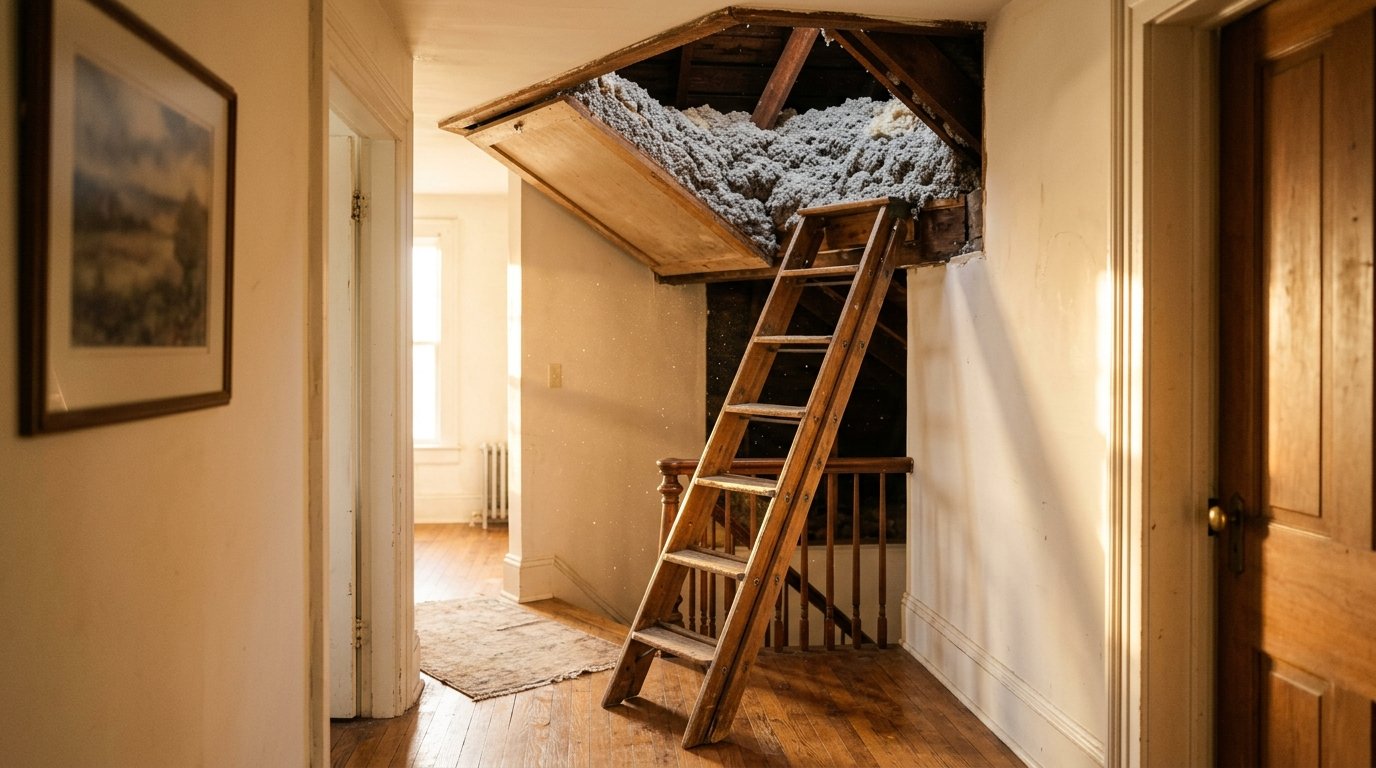
You can learn a lot before any specialist arrives. Ask the attic’s insulation depth and type; look at the HVAC data plates for age — heat pumps and furnaces have working lifespans, and a system near the end is a near-term cost whatever the listing says. Note window era: original single-pane sash are charming and leaky; replacements vary widely in quality. Check the water heater’s age, and in older homes ask about ductwork condition and location, since ducts in unconditioned space quietly waste what the equipment produces. Your inspector can confirm all of it; a dedicated energy audit with a blower door goes deeper still.
The certification reality check
Labels exist and can be meaningful: ENERGY STAR certified new construction, HERS index ratings on some newer homes, and manufacturer ratings on equipment and windows. But a listing that says “energy efficient” without documents is a mood, not a measurement. Ask for the actual certificate, rating report, or invoices for the insulation and equipment work claimed. New construction buyers should request the energy documentation the builder used — reputable builders have it. Where paper doesn’t exist, price the house as unverified and let an energy audit tell you the truth after closing, or negotiate for one before.
The utility-bill verification method
The most honest efficiency data costs nothing: request twelve consecutive months of actual utility bills from the seller — electric, plus gas or propane where applicable. A full year captures both seasons; summer-only or winter-only excerpts mislead. Read them alongside how the seller lived (thermostat habits, occupancy) and the home’s size. Rural buyers should also confirm the heat source itself — propane, electric, wood — since fuel type changes the economics; my rural utilities guide covers those verification habits. I request bills as a standard diligence item on homes where efficiency is part of the pitch.
Efficiency and value, without overclaiming
Do efficient homes sell for more? Sometimes, and I won’t promise it — buyers here reward visible comfort and low bills, but appraisal credit for efficiency features is inconsistent, and payback math on upgrades varies with fuel prices, which I won’t predict. What I can say: documented efficiency reduces surprises, and surprise costs are what sour ownership. Kentucky utilities and public programs have at times offered rebates and audits — worth checking current offerings directly with your utility. For how efficiency features are trading in the current market, ask me for dated specifics.
Common Questions
What’s the single most important efficiency feature in a Kentucky home?
Insulation and air sealing, with the attic first among equals. Kentucky’s mix of humid heat and real winter cold means the building envelope does more work than any single piece of equipment. After the envelope: HVAC age and type, then windows. An energy audit with a blower door test is the definitive way to measure a specific house.
How do I verify a home’s efficiency claims?
Documents and bills. Ask for certificates (ENERGY STAR, HERS reports), invoices for claimed insulation or equipment work, and twelve consecutive months of actual utility bills. If none of that exists, treat the claim as unverified and rely on your inspector or a professional energy audit. Marketing language is not measurement.
Are older Kentucky homes hopeless on efficiency?
Not at all — but they’re unverified until examined. Many older homes have had attic insulation, HVAC replacement, or window work along the way; the question is what was done and how well. Historic-home buyers should also weigh preservation against replacement — original windows can often be weatherstripped and stormed rather than discarded. Inspect, audit, then decide.
Efficiency questions pair naturally with the home maintenance guide and with insurance considerations, since system ages drive both.
Marcos Gil, REALTOR® · Keller Williams Commonwealth · Based in Beattyville, serving Lexington to the Red River Gorge · Also owner of Central Property Services and publisher of Invest in the Gorge — any recommendation involving my other businesses is disclosed in writing.
Evaluate a home’s efficiency
Last updated: August 19, 2026