

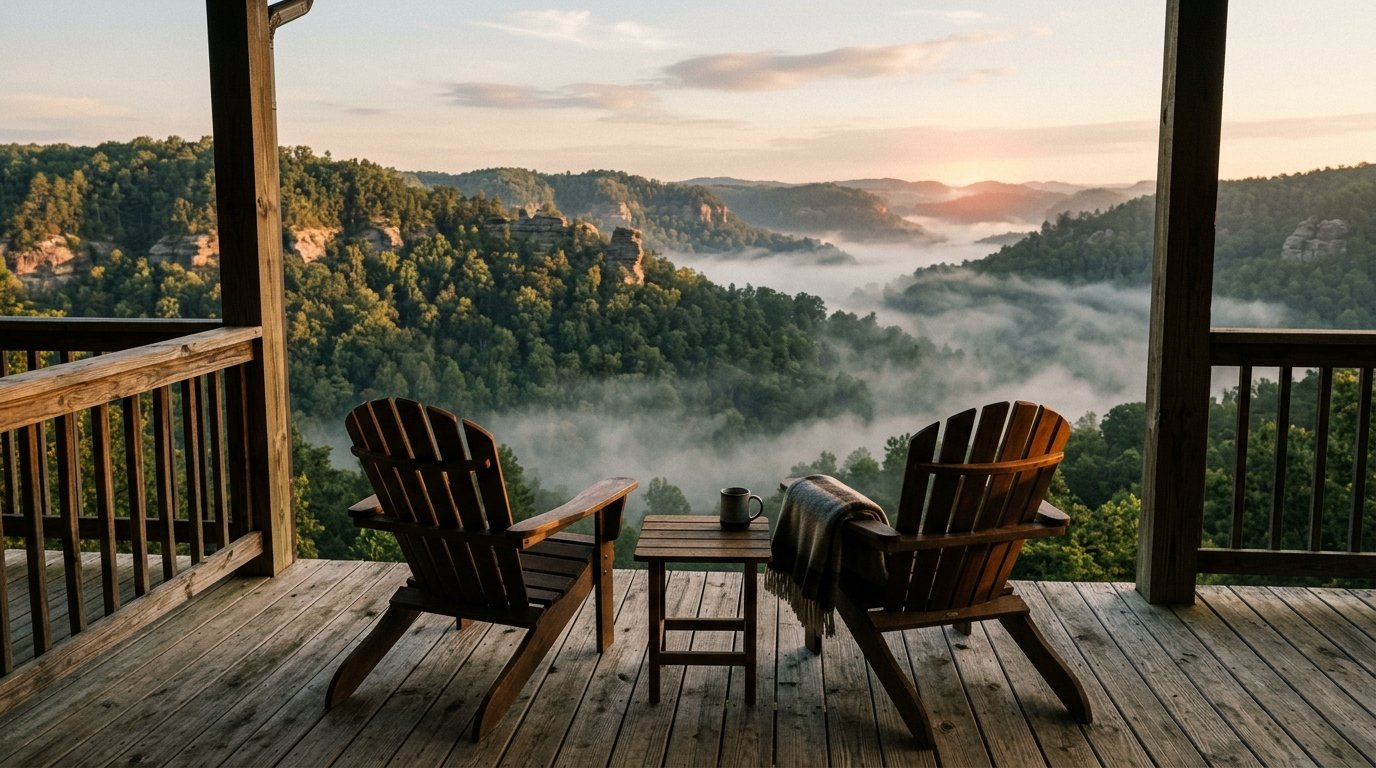
Vacation Homes at the Red River Gorge
A vacation home at the Red River Gorge should be a cabin you actually use — bought with clear eyes about what ownership involves.
A vacation home near the Red River Gorge is financed and owned differently than a rental investment. Lenders treat true second homes — used personally, not run as a business — under different programs than investment property, so how you intend to use the cabin shapes your loan before it shapes anything else. The Gorge sits roughly an hour east of Lexington via the Mountain Parkway, which is what makes weekend ownership realistic. Any Kentucky agent’s license standing is verifiable through the Kentucky Real Estate Commission.
Second home or investment — the distinction that shapes everything
The first question is not which cabin — it is how you will use it. A true second home is one you occupy personally for part of the year. An investment property is one you operate for income, including short-term rental. Lenders underwrite these differently: occupancy intent affects program eligibility, down payment expectations, and rate. Misstating intent to get better terms is occupancy fraud, so be straightforward. This is education, not lending advice — a licensed Kentucky lender can walk you through both paths with current numbers. If your real plan is rental income, start at my cabin and STR investment guide instead.
A cabin you actually use — bought with clear eyes about what ownership involves.
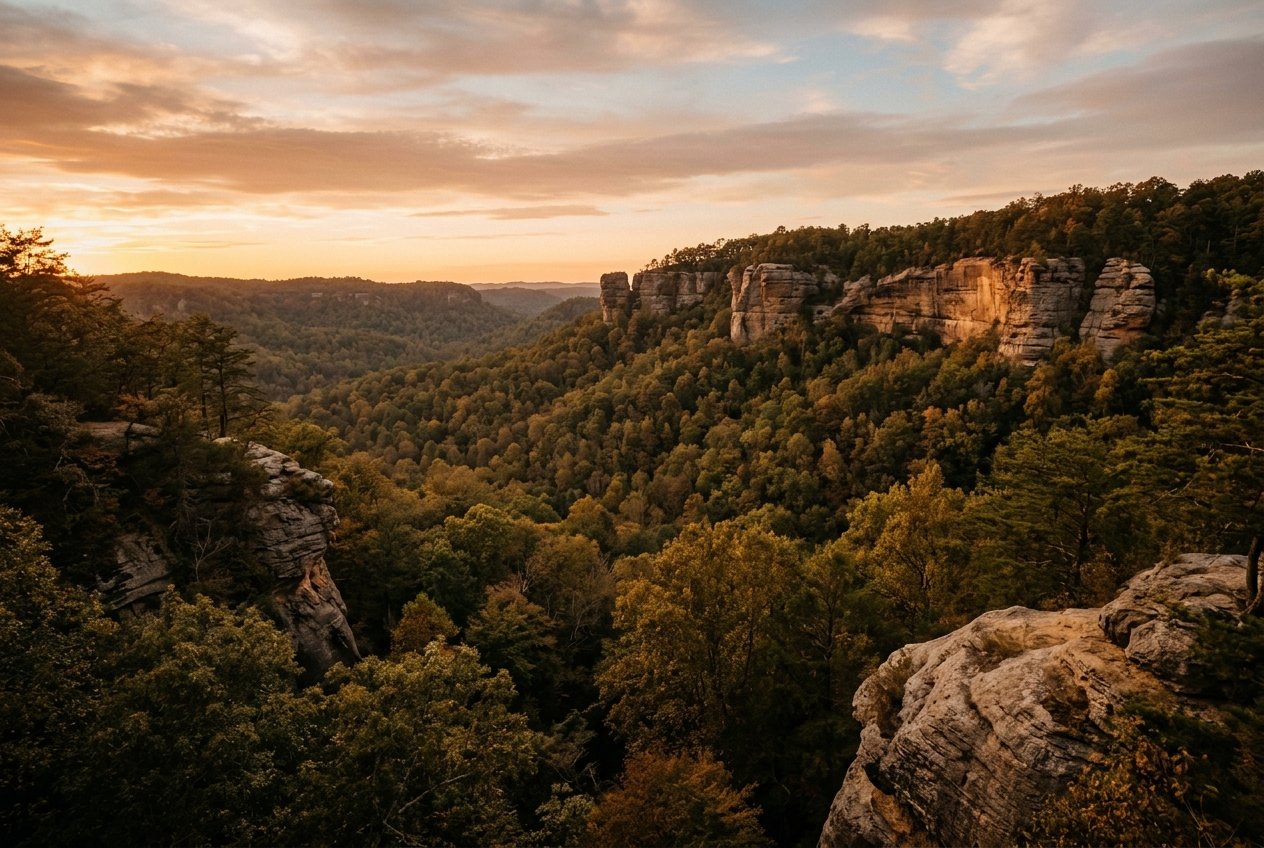
Honest drive times, because they decide whether you actually go
The Gorge works as second-home country because of the Mountain Parkway. From Lexington, plan on roughly an hour to the Slade and Gorge corridor. From Cincinnati, most routes run in the neighborhood of two hours; from Louisville, closer to two and a half. Those numbers matter more than any feature sheet: a vacation home you visit twice a year is a maintenance obligation, not a retreat. My rule of thumb — if the drive fits inside a Friday evening after work, you will use the place. If it does not, be honest with yourself before you buy.
The rhythm of owning a place you are not in
Gorge cabins live outdoors. Gravel drives wash in heavy rain, gutters fill with hardwood leaves every fall, mice test every gap, and a water line left charged through a hard freeze is an expensive lesson. Owners who do well here build a rhythm: winterizing habits, a local contact who can lay eyes on the place, and a realistic budget for upkeep between visits. None of this is a reason not to buy — it is the difference between owners who love the place for decades and owners who quietly list it after three years. I live in Beattyville, so this is my home terrain, and I will tell you plainly what a given property demands.
Where to look, and what each pocket trades away
The Slade corridor puts you closest to the trailheads, Miguel’s, and the climbing scene — and closest to peak-season traffic. South toward Campton and Wolfe County you trade proximity for quiet and, often, more land for the money. Beattyville and Lee County sit on the Gorge’s southwestern edge with a small-town base of services. Stanton and Clay City offer the practical option: real grocery, hardware, and parkway access, minutes from the Gorge without being in it. There is no single right answer — only the trade-off that fits how you will actually use the place.
Buying well in a market this thin
Gorge-area inventory is thin and idiosyncratic — no two cabins are alike, and comparable sales are scarce, which makes pricing judgment matter more than in a subdivision. Expect diligence items city buyers rarely see: septic systems, well or hauled water, road maintenance agreements on shared gravel drives, and boundary questions on wooded acreage. For current market conditions and dated numbers, ask me or see the market report — I do not quote figures from memory. A disclosure: I also publish investinthegorge.com, a site about Gorge-area property, so you know where my perspective comes from.
Common Questions
Can I rent out my Red River Gorge vacation home part of the year?
Often, but two things govern it: your loan and your county. If you financed the cabin as a second home, your loan documents set limits on rental use — converting to a rental operation can conflict with occupancy terms. Local rules and any road or community agreements may also apply. Talk to a licensed lender about your specific loan, and see my short-term rental guide for the operational side.
How far is the Red River Gorge from Lexington, really?
Plan on roughly an hour from Lexington to the Slade area via the Mountain Parkway, depending on where in Lexington you start and where in the Gorge you land. Cincinnati is generally around two hours, Louisville closer to two and a half. Peak fall weekends add time near the Gorge itself, where two-lane roads carry most of the tourist traffic.
Is a Gorge cabin harder to finance than a regular house?
It can be. Unique cabins, acreage, off-grid features, and thin comparable sales all complicate appraisal and underwriting, and second-home programs have their own requirements. None of this makes financing impossible — it makes lender selection matter. Work with a licensed lender who has closed rural Kentucky properties before, and build extra time into your contract for the appraisal.
If income is part of the plan, start with the cabin and STR investment guide, or get oriented with the Red River Gorge and Slade area guide.
Marcos Gil, REALTOR® · Keller Williams Commonwealth · Based in Beattyville, serving Lexington to the Red River Gorge · Also owner of Central Property Services and publisher of Invest in the Gorge — any recommendation involving my other businesses is disclosed in writing.
Talk through Gorge ownership
Last updated: August 19, 2026