

Madison County Farms and Acreage
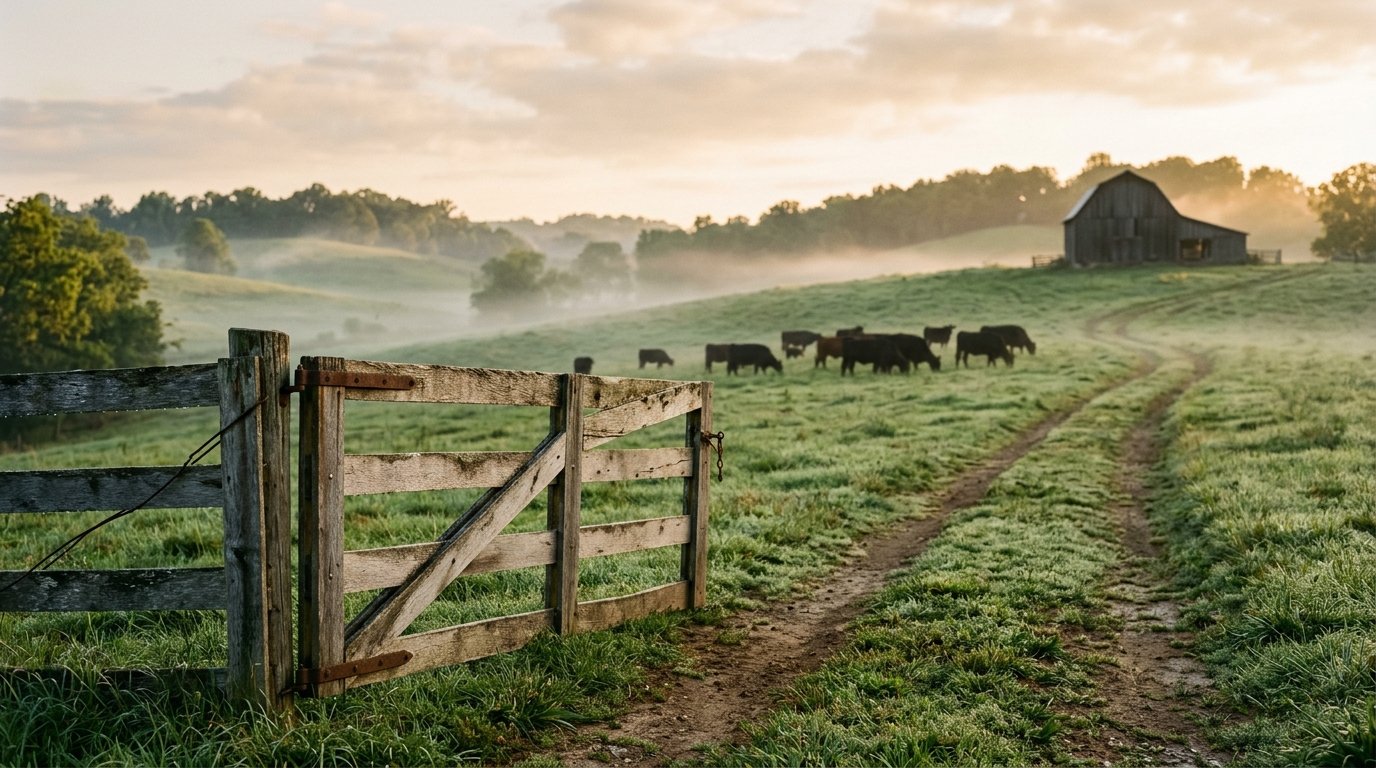
With farms for sale in Richmond, KY, it goes pasture, fence, water, barn — in that order.
Madison County farm buying centers on cattle and hay ground: rolling pasture, board and wire fencing, barns of varying vintage, and tracts from mini-farms of a few acres to full working operations. The essential diligence is physical — fencing condition, water sources for livestock and household, barn structure, road access, and septic or well systems — because in farm transactions the land and improvements carry the value, and their condition varies enormously. Confirm acreage and parcel boundaries against Madison County PVA records rather than the listing sheet.
What Madison County farmland is
This is cattle and hay country. Madison County’s agricultural character runs to rolling pasture, hay ground, and cow-calf operations, with old tobacco barns recalling the crop that once organized these farms. Tracts range from a few carved-off acres — the mini-farm that dominates today’s demand — to working operations of real size, spread across the county from the Berea side to the river corridor. Buyers should understand the spectrum before shopping: a five-acre horse setup, a forty-acre cattle farm, and a two-hundred-acre operation are three different purchases with different diligence, financing, and lifestyles.
Pasture, fence, water, barn — in that order.
Fencing, water, barns — the big three
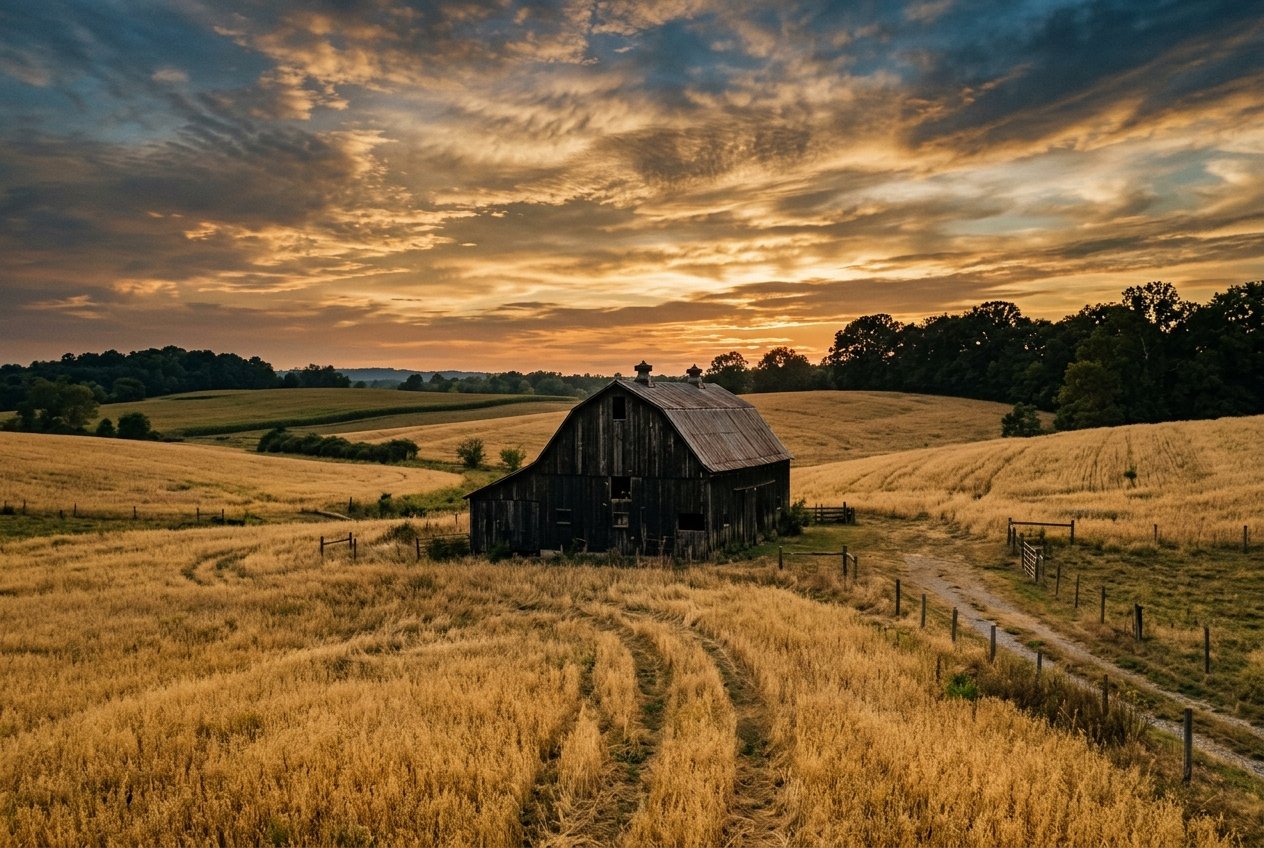
Walk every fence line you intend to rely on: replacement is expensive, and a listing’s “fenced” can mean anything from tight five-strand to rusted memory. Water is next — livestock need year-round sources, so map ponds, springs, creeks, and waterers, and ask what happens in drought and freeze. Then barns and outbuildings: honest structures with sound roofs carry real value, while leaning ones carry demolition cost dressed as charm. I walk these items with buyers personally. Disclosure where relevant: I own Central Property Services, a repair company working in this area — if repair estimates come up, that conflict is on the table and independent bids are always welcome.
Household diligence — the rural checklist
The residence on a farm carries its own list: well or cistern capacity and quality testing, septic condition and permit history, propane versus electric heat, and broadband verified at the address, not assumed from a coverage map. Access matters more than city buyers expect — confirm road maintenance status, easements crossing the land, and who owns the lane you drive in on. My outside-city-limits guide covers this layer in full. None of it should scare you off; all of it should be settled before, not after, closing.
Financing and the paper side
Farm purchases finance differently from houses. Acreage, outbuildings, and income activity can push a property past conventional guidelines toward farm-credit lenders or other specialized programs, and land-heavy deals appraise on thinner comps. Agricultural tax treatment, current leases on the ground, mineral and timber rights, and any tobacco-era easements deserve review. I coordinate with lenders who actually do farm deals — start at construction and land financing for the overview — and for tax and legal questions, consult a licensed CPA or attorney; my job is flagging what needs asking, not answering it.
Horse buyers and the broader land market
Madison County supports horse setups — pasture quality and board fencing translate directly — though buyers seeking the signature Bluegrass equestrian infrastructure of Fayette, Woodford, and Bourbon counties should read my horse farms guide for that distinct market. For the wider view of land buying across my coverage area, including recreational and timber tracts toward the mountains, the land and farms page is the umbrella. Madison County’s niche is honest working ground within commuting distance of Lexington — which is exactly why it moves.
Common Questions
What is a realistic minimum acreage for cattle in Madison County?
It depends on ground quality, water, and your goals — a hobby pair on good pasture needs far less than a producing herd. Rather than quote a universal number, I connect buyers with the local extension resources and experienced operators who can assess a specific tract’s carrying capacity honestly.
Do farm properties qualify for regular mortgages?
Sometimes. Smaller tracts with a standard residence often fit conventional or government programs, while larger acreage, significant agricultural income, or land-dominant value usually points to farm-credit or specialized lenders. Structure matters, so involve a licensed lender who handles rural property early — I can introduce several.
Should I get the water tested before buying?
Always, on any well or cistern property — quality and flow both. Add septic inspection, and for livestock operations, confirm year-round stock water through drought and freeze. These tests are inexpensive relative to what they prevent and belong in your offer’s inspection contingency, where I put them by default.
See the umbrella land and farms page, or the county-wide picture at Madison County real estate.
Marcos Gil, REALTOR® · Keller Williams Commonwealth · Based in Beattyville, serving Lexington to the Red River Gorge · Also owner of Central Property Services and publisher of Invest in the Gorge — any recommendation involving my other businesses is disclosed in writing.
Walk a Farm With Me
Last updated: August 19, 2026