

Living in Downtown Lexington: An Honest Urban Guide
Downtown Lexington offers the shortest commute in the city, with trade-offs worth naming.
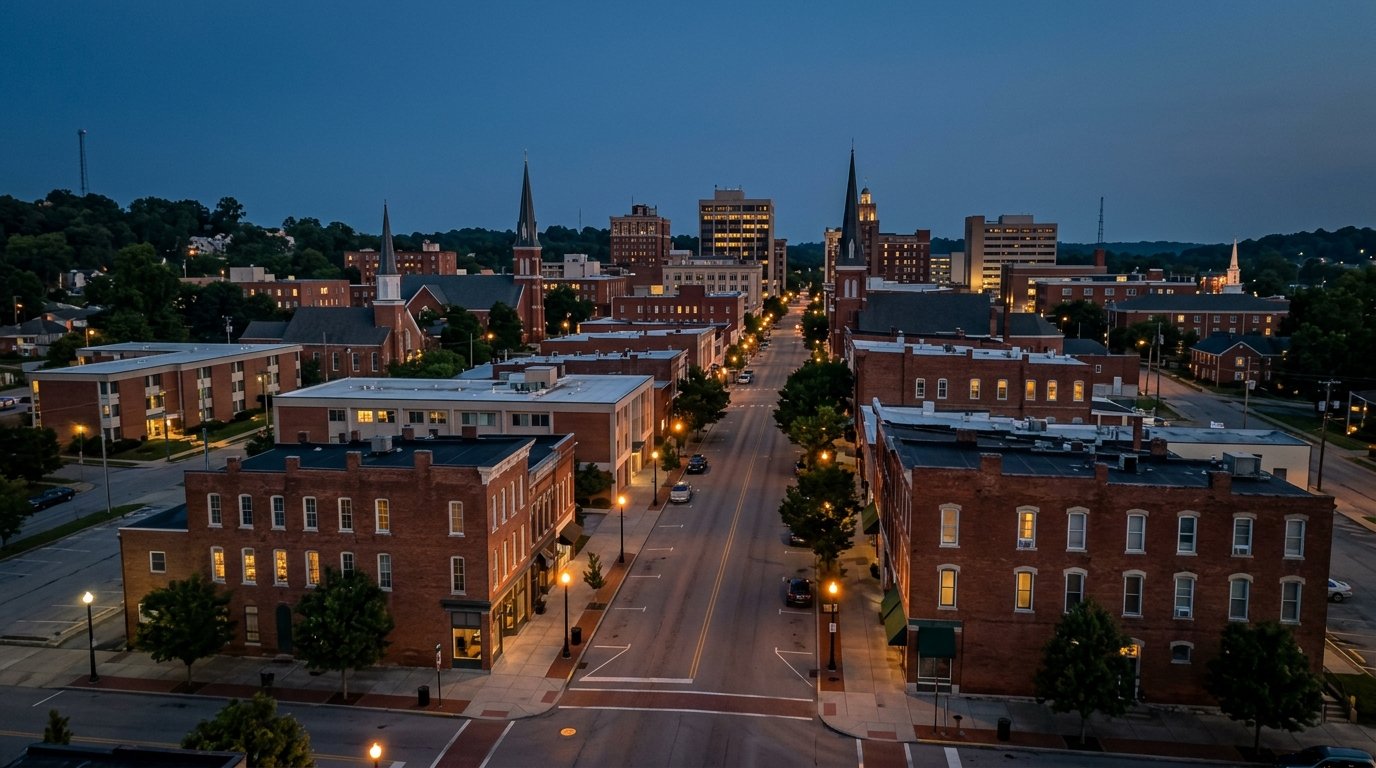
Living in downtown Lexington means choosing between two housing types: condos and lofts in and around the courthouse core, or Victorian and early-1900s houses on the near-downtown streets that ring it. You get walkable restaurants, bars, events, and offices, plus the shortest commutes in the city. The trade-offs are equally real: limited parking, urban noise, modest inventory, and condo fees that deserve scrutiny. It suits buyers who will actually use the walkability daily.
Property records and assessments for Fayette County addresses are maintained by the Fayette County Property Valuation Administrator.
What to Love
Downtown Lexington has grown into a genuine place to live, not just work. Restaurants, coffee, bars, the Town Branch Commons trail corridor, festivals, and Rupp Arena events are at your door, and the courthouse-area blocks put employment, courts, and offices within a walk. The near-downtown residential streets add a different appeal — Victorian and early-1900s houses with real architecture minutes from everything. For anyone whose life centers on the core, the time saved daily is the amenity that compounds — a trade my broader Lexington guide puts in citywide context.
The shortest commute in Lexington, with trade-offs worth naming.
Local Lifestyle
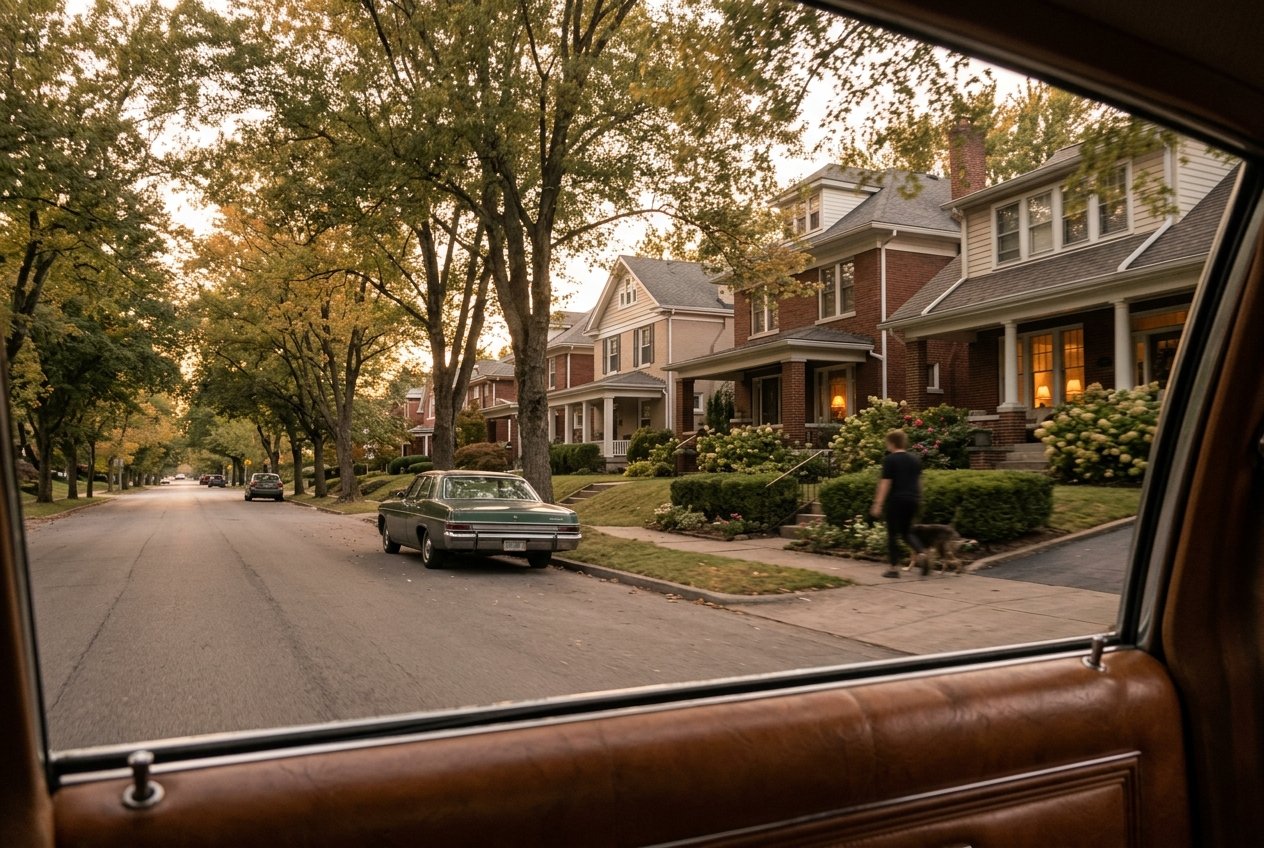
The daily texture depends on which downtown you choose. Condo and loft living in the core means lock-and-leave simplicity, building amenities in some cases, and the city outside your lobby. The Victorian streets at the edge live more like traditional neighborhoods — porches, yards, neighbors — with downtown as a walkable extension of home. Both share the honest urban realities: event-night noise and traffic, parking that requires strategy, and a streetscape still filling in unevenly block by block.
Dining, Shopping & Everyday Life
Dining and nightlife are downtown’s strong suit, from long-standing kitchens to the newer generation around the core and the nearby Distillery District, whose bourbon-driven entertainment corridor deserves its own page. Everyday practicality is thinner: full-scale grocery shopping generally means a short drive, and big-box errands leave the core entirely. Residents adapt quickly — but if a five-minute drive to groceries breaks the dream, better to know now.
Getting Around
This is the one Lexington address where car-optional living is plausible. Work, dinner, events, and the trail network can all be on foot; Lextran routes radiate from the downtown transit center; and when you do drive, you start from the center of the map. Parking is the flip side — condo parking arrangements vary building by building and materially affect value, and street parking near the Victorian blocks tightens on event nights. I treat parking as a due-diligence item, not an afterthought.
The Housing Picture
Inventory splits into three qualitative buckets: condos and lofts in converted historic buildings and newer projects around the courthouse core; Victorian and early-1900s single-family houses on the near-downtown streets; and a scattering of townhomes and small multifamily between them. Condo buildings differ enormously in fees, reserves, and rental rules — I read the association documents closely before you offer. The historic houses reward the same inspection rigor as Bell Court’s. Downtown inventory is modest at any given moment, so patience and preparation beat urgency here.
Common Questions
Can I really live downtown without a car?
Closer than anywhere else in Lexington, but for most people it is car-light rather than car-free — groceries and regional trips still favor driving. If your job and social life sit downtown, many days will never need the car. Test the walk from a specific building to your actual routine before deciding; I do this walk with clients regularly.
What should I check before buying a downtown condo?
The association documents: fee history, reserve funding, any pending assessments, rental caps, and — critically — the parking arrangement deeded or assigned to the unit. Building health matters as much as unit finishes downtown. I review these with every condo client, and a lender experienced with condo approvals is worth lining up early; see getting pre-approved.
How is downtown Lexington different from the Distillery District?
The Distillery District is a specific entertainment corridor along Manchester Street — bourbon, venues, restaurants — at downtown’s western edge, while downtown living broadly spans the courthouse core’s condos and the Victorian streets ringing the center. They complement each other: many downtown residents treat the Distillery District as their night out. My separate Distillery District guide covers it properly.
Go deeper with my Distillery District and Bell Court guides — and if you’re new to the city entirely, begin with relocating to Lexington.
Marcos Gil, REALTOR® · Keller Williams Commonwealth · Based in Beattyville, serving Lexington to the Red River Gorge · Also owner of Central Property Services and publisher of Invest in the Gorge — any recommendation involving my other businesses is disclosed in writing.
Talk downtown options with me
Last updated: August 19, 2026