The Distillery District & Downtown Lexington
The Distillery District is bourbon warehouses turned music halls, and a downtown finally worth walking home from.
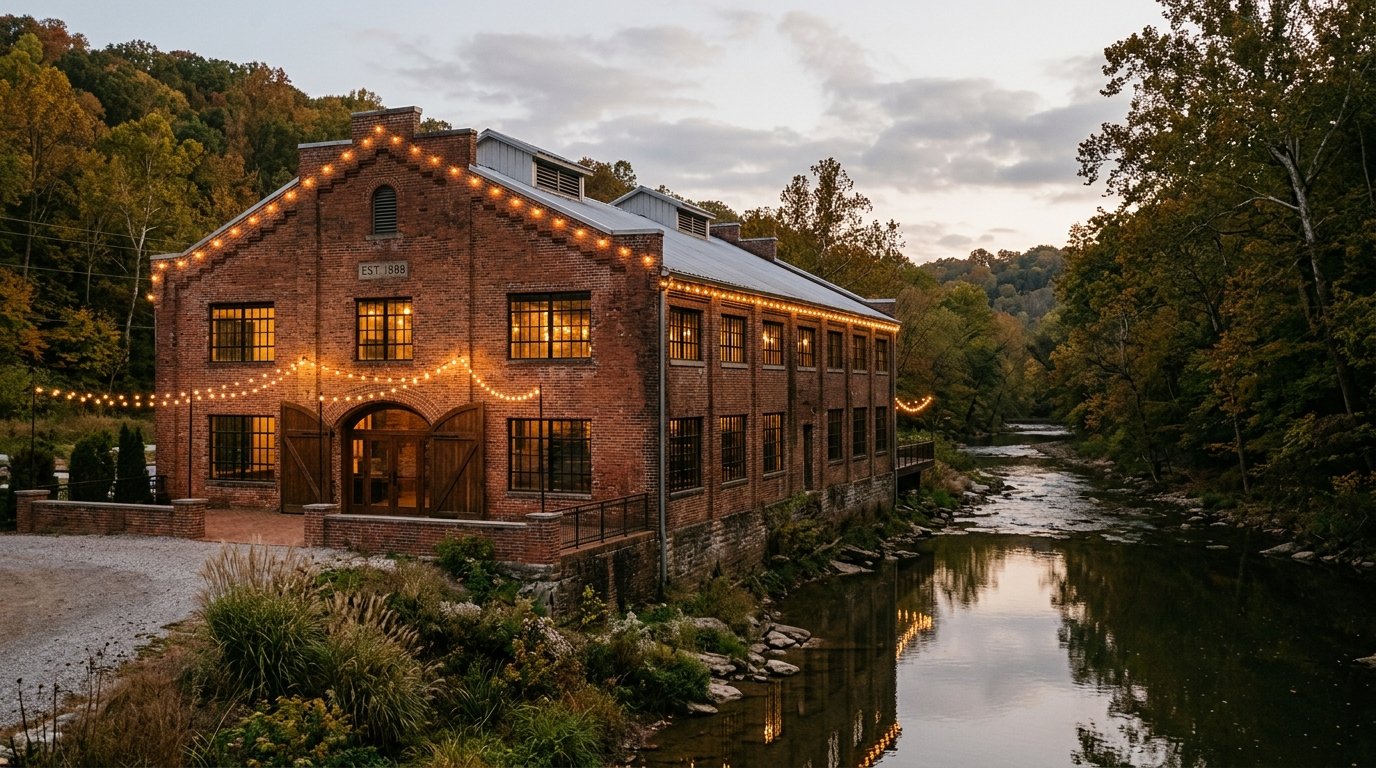
The Distillery District is Lexington’s converted-bourbon-warehouse entertainment corridor along Town Branch, and it anchors the case for downtown living: walkable restaurants, music venues, and a growing condo-and-loft market in the urban core — city energy at a mid-size city’s scale and price.
Property records and assessments for Fayette County addresses are maintained by the Fayette County Property Valuation Administrator.
What to Love
Lexington’s downtown has spent two decades earning its nightlife, and the Distillery District is the proof: the old Town Branch bourbon works reborn as restaurants, breweries, music venues, and event spaces along the creek corridor. Living downtown means the city’s best nights end with a walk home — a sentence that wasn’t true here a generation ago.
Bourbon warehouses turned music halls, and a downtown finally worth walking home from.
Local Lifestyle
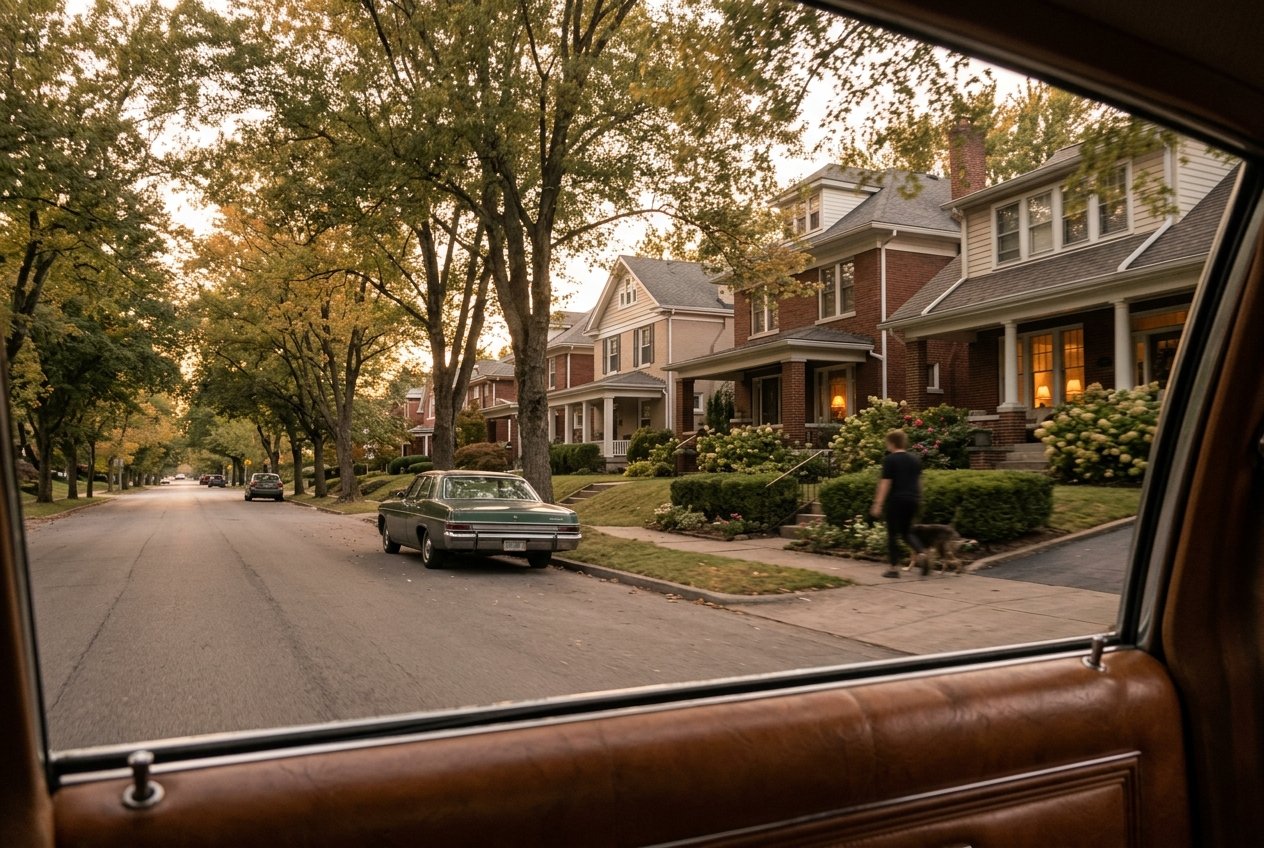
The urban-core rhythm: coffee counters and courthouse-square lunches, Thursday Night Live and festival seasons, gallery hops, and the university’s arena and stadium energy bleeding into downtown on game days. It’s city living at humane scale — walkable, but with a farm view fifteen minutes in any direction.
Dining, Shopping & Everyday Life
The District and the downtown blocks carry the region’s most interesting restaurant-and-bar density, with the Jefferson Street corridor adding its own row. The honest gap: full-scale groceries still mean a short drive — the daily-needs layer trails the entertainment layer, as in most mid-size downtowns.
Things to Do
Concerts in converted rickhouses, the Town Branch Trail as it extends, Rupp Arena’s calendar, courthouse-square festivals, and the bourbon tourism you can now do on foot. Downtown is also the region’s event hub — living here means being where the city gathers.
The Housing Picture
Downtown’s residential stock is condos, lofts, and townhomes — conversions with exposed brick and timber, newer builds with balconies over the skyline, and historic homes on the near-downtown streets of Bell Court and its neighbors. It’s a thinner market than the suburbs: fewer units, distinctive spaces, and HOA/condo diligence that matters — association health is as important as the unit itself. Urban-core trade-offs apply: parking arithmetic, event-night noise, and square footage that costs more per foot than the suburbs. For the right buyer, none of that outweighs walking home.
Common Questions
Is downtown Lexington living established or still emerging?
Call it established-and-growing: the entertainment layer is proven, residential inventory keeps expanding, and each year adds services. Buyers today are early enough to benefit and late enough not to pioneer.
What should condo buyers check here?
The association above all: reserves, fees, rental rules, and building maintenance history. A beautiful loft in a struggling association is a bad purchase — I read the documents on every downtown contract.
Prefer historic streets nearby? See Chevy Chase & Ashland Park, or the Lexington guide.
Marcos Gil, REALTOR® · Keller Williams Commonwealth · Based in Beattyville, serving Lexington to the Red River Gorge · Also owner of Central Property Services and publisher of Invest in the Gorge — any recommendation involving my other businesses is disclosed in writing.
Explore Downtown Living — (859) 310-1209
Last updated: August 19, 2026