Retail & NNN Investment in Central Kentucky
The strip center at the exit you drive past daily — someone owns it, collects the rent, and rarely thinks about it. Here’s how that market works.
Central Kentucky’s investable retail concentrates along the Richmond I-75 exits, Lexington infill corridors, and small-town main streets. In triple-net leases the tenant carries taxes, insurance, and maintenance — the asset is really the lease and the tenant’s credit. Smaller markets suit first-time commercial buyers: lower entry, thinner competition, learnable diligence.
The Corridor’s Retail Landscape
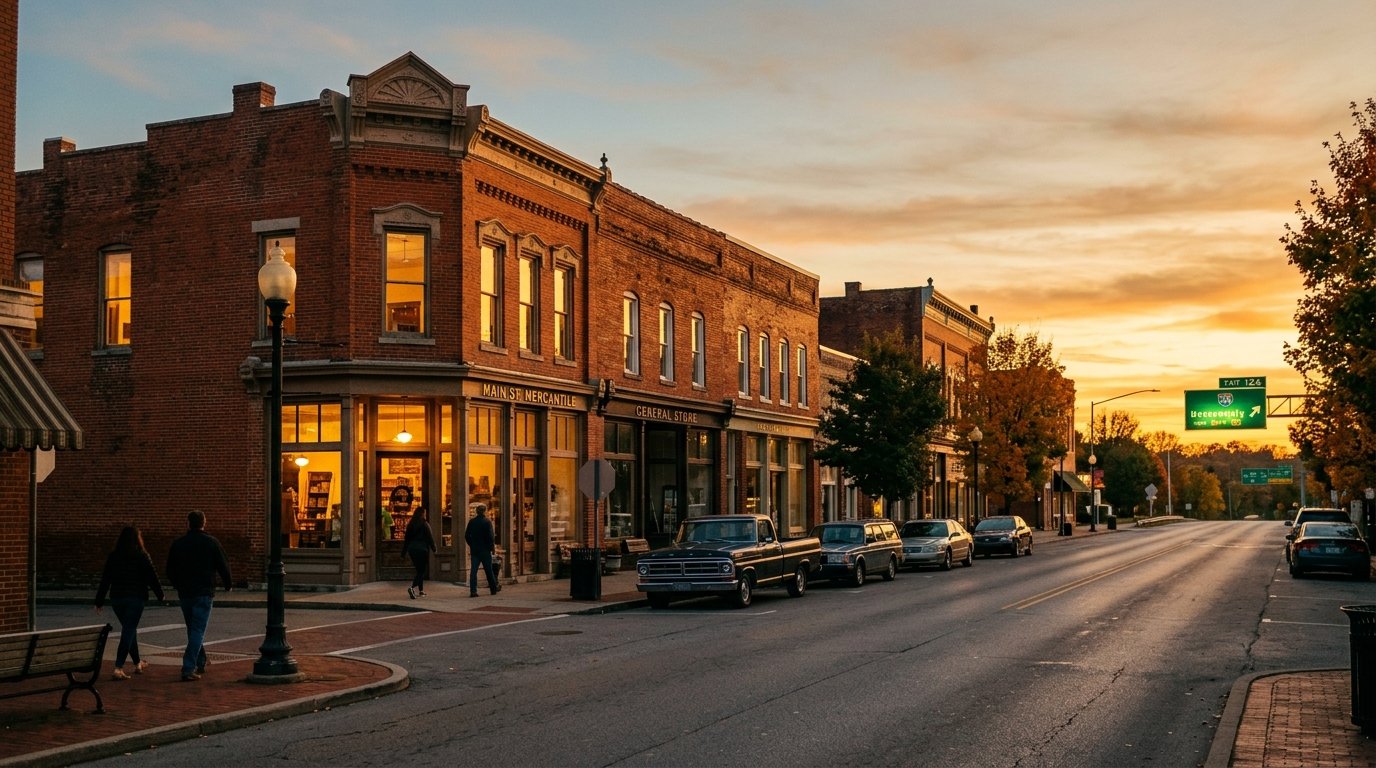
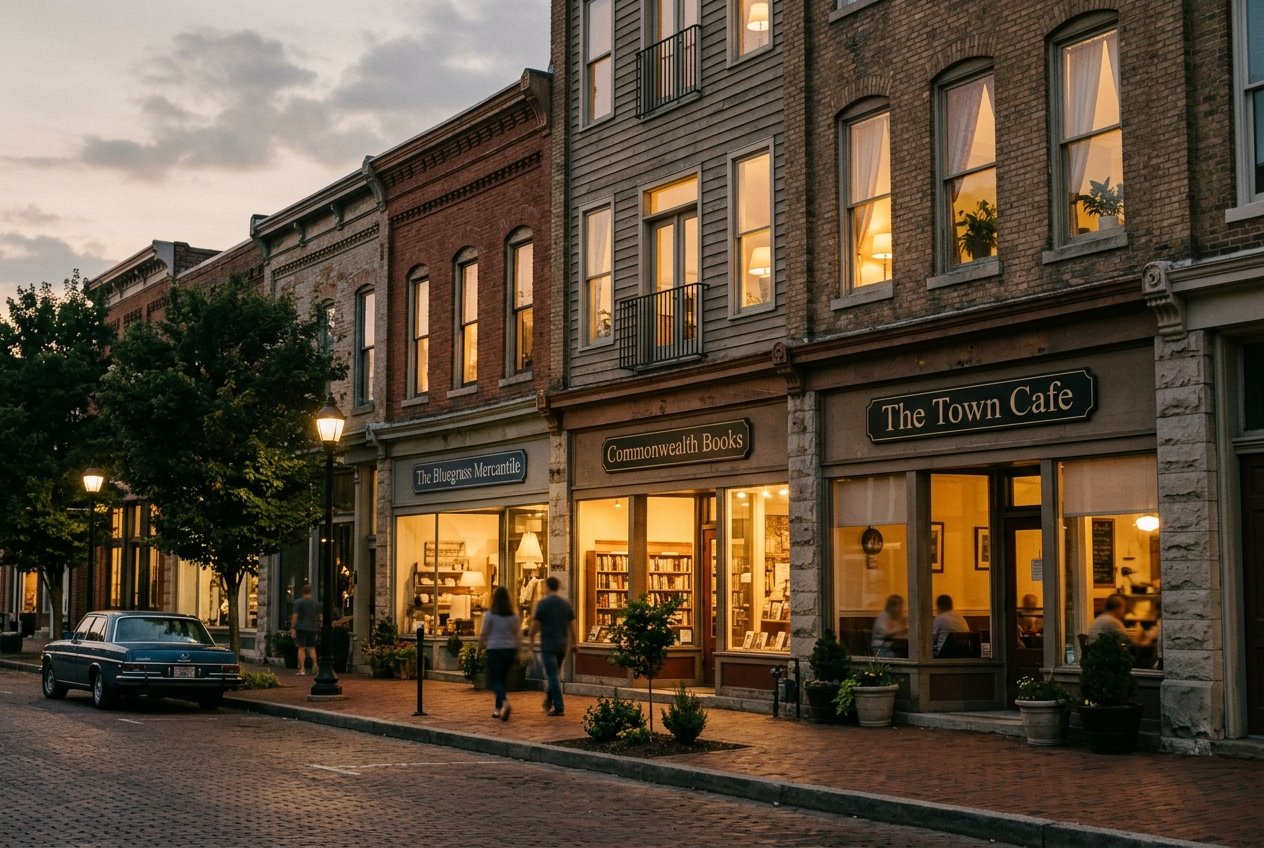
Central Kentucky’s investable retail concentrates where the traffic is: Richmond’s I-75 exits and bypass, Lexington’s infill corridors, and the main-street commercial rows of Berea, Winchester, and Nicholasville. The properties run from single-tenant buildings with national operators to small multi-tenant strips with local businesses — different risk profiles, different management loads, and very different price logic.
The strip center at the exit you drive past daily — someone owns it, collects the rent, and rarely thinks about it. Here’s how that market works.
What Triple-Net Actually Means
In a triple-net (NNN) lease, the tenant carries the property’s taxes, insurance, and maintenance alongside rent — the owner’s role approaches collecting a check and watching the lease clock. That simplicity is why NNN properties trade largely on tenant credit and lease term: the building matters, but the lease is the product. Gross and modified-gross leases shift those burdens back toward the owner in exchange for other terms. Reading the actual lease — not the marketing summary — is the entire game, with your attorney at the table.
Why Smaller Markets Suit First-Time Commercial Buyers
Entry prices along this corridor sit far below metro trophy assets, competition is thinner, and the diligence is learnable: who is the tenant, how long is the term, what do renewals look like, and what happens to this location if they leave? That last question — re-leasability — is where local knowledge pays. A building is only as strong as the next tenant it could attract.
The Local-Knowledge Edge
Corridor retail rewards people who drive the roads: which exits are gaining traffic, which towns are extending utilities, where the next subdivision’s rooftops will demand services. I watch this region daily — including through the lens of my repair company’s commercial work, which is disclosed here because it shapes what I see: roofs, parking lots, and deferred maintenance tell honest stories about properties long before the offering memorandum does.
Financing and the Numbers
Owner-occupied buyers — the business owner buying their own building — often reach for SBA 504 or 7(a) structures with favorable down-payment profiles; pure investors work with commercial bank debt sized to the lease income. The commercial loan guide covers the landscape in plain English. Rates, terms, and eligibility come from licensed lenders, and underwriting any specific deal means real numbers on real paper — no projections from me, ever, just diligence.
Common Questions
How much do I need to start in commercial?
Commercial lending typically expects larger down payments than residential — often in the twenty-to-thirty-percent neighborhood, with owner-occupied SBA paths sometimes lower. A lender conversation sizes your actual buying power in one call.
NNN sounds passive — what’s the catch?
Concentration. One tenant means one point of failure: if they leave, income is zero while taxes and insurance revert to you. The discipline is buying locations that can re-lease and lease terms that see problems coming. Passive income is real; passive diligence is how people lose.
Do you handle leasing and management too?
My role is acquisition and disposition — finding, evaluating, and negotiating the asset. For ongoing management and leasing I’ll connect you with the local professionals who do that daily.
See the broader commercial services page, and the 1031 exchange guide for trading into NNN assets.
Marcos Gil, REALTOR® · Keller Williams Commonwealth · Based in Beattyville, serving Lexington to the Red River Gorge · Also owner of Central Property Services and publisher of Invest in the Gorge — any recommendation involving my other businesses is disclosed in writing.
Discuss Commercial Opportunities
Last updated: August 19, 2026