
Horse Farms & Equestrian Property in Central Kentucky
You don’t need two hundred acres to keep horses in the Horse Capital of the World. Five to twenty will do — if you buy the right five to twenty.
You can own horse property in the Horse Capital of the World without a signature farm: the under-served market is five to twenty acres with sound fencing, water, and a workable barn. Fayette County carries the name and price; Madison, Clark, and Garrard counties carry much of the same land character at meaningfully lower cost.
Property records and assessments for Fayette County addresses are maintained by the Fayette County Property Valuation Administrator.
The Under-Served Middle of Horse Country
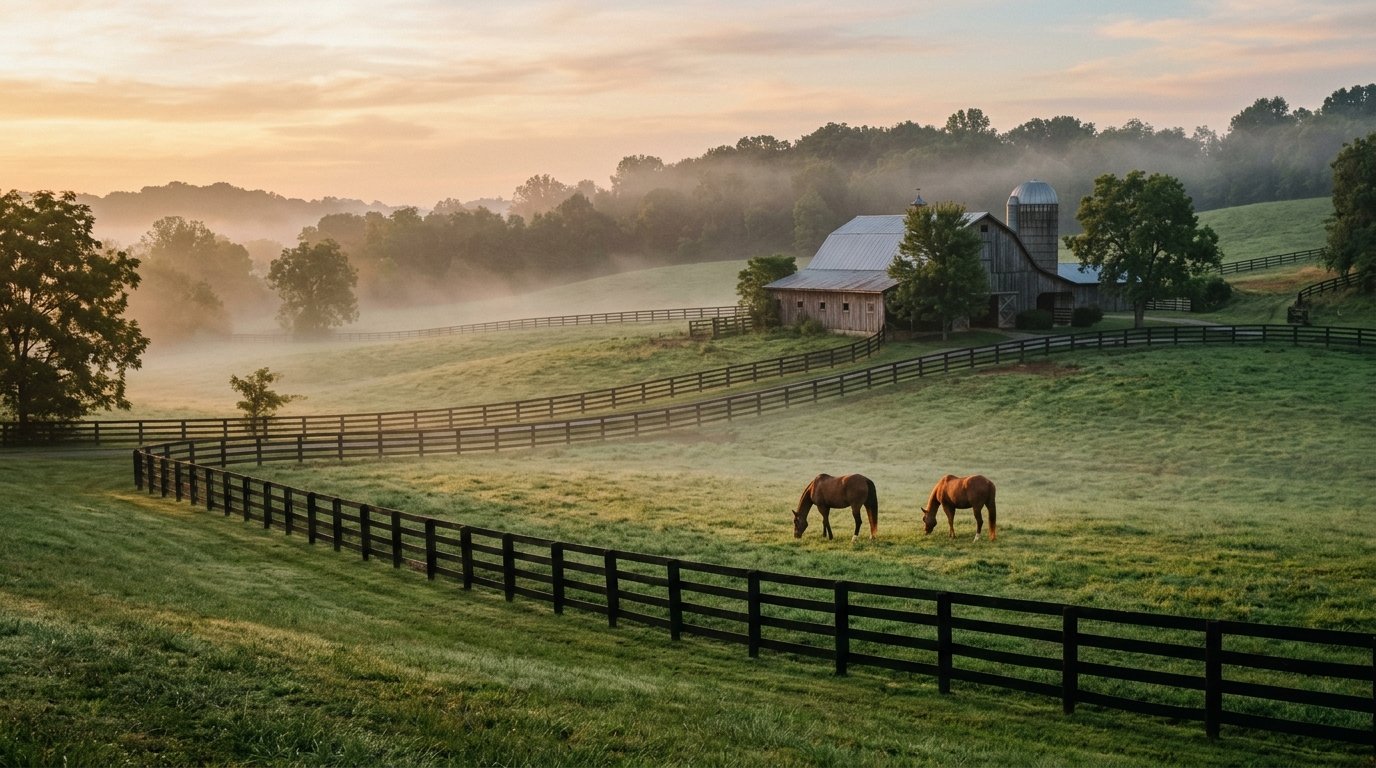
Lexington’s legendary farms trade in a rarefied market with brokers who specialize in nothing else. But the market between a subdivision lot and a signature farm — five to twenty acres, a sound barn, safe fencing, decent pasture — is where most horse owners actually live, and it gets far less professional attention. That’s the market this page is for: the working farmette, the weekend rider’s place, the first horse property.
You don’t need two hundred acres to keep horses in the Horse Capital of the World. Five to twenty will do — if you buy the right five to twenty.
What to Check Before You Fall in Love
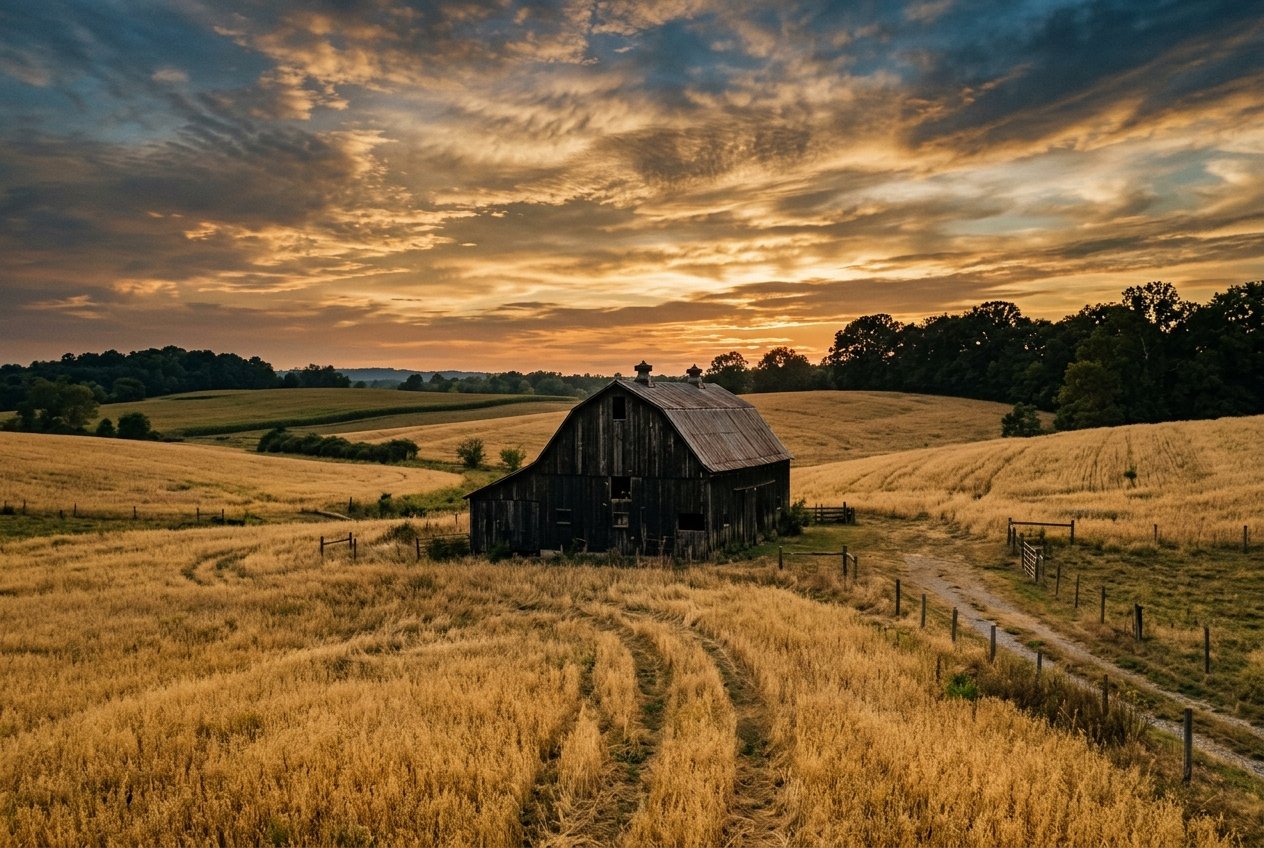
Horse property diligence is its own discipline. Fencing: type, condition, and what it will cost to make horse-safe — plank and woven wire mean different budgets. Water: automatic waterers, pond reliability, and what winter does to both. The barn: structural condition, stall count, ventilation, and hay storage that stays dry. Pasture: quality, drainage, and whether the acreage is usable or just scenic. Access: can a trailer actually get in, turn, and leave? Every one of these is fixable — the question is always at what price, and whether the listing price already knows it.
Zoning, Easements, and the Rules of the Land
Counties treat horses differently. Fayette County’s agricultural zoning and land-use rules are famously protective of farmland, which shapes what small parcels exist at all; surrounding counties are generally more flexible. Conservation and purchase-of-development-rights easements bind some Bluegrass land permanently — they preserve exactly what makes this region beautiful, and they also define what an owner can ever build. None of this is a reason to avoid a property; all of it is a reason to read before you offer. Verify specifics with the county’s planning office — I’ll help you ask the right questions.
Where the Value Lives
Fayette County carries the name and the price to match. Madison, Clark, Garrard, and Estill counties carry much of the same land character — rolling pasture, water, four seasons of grass — at meaningfully lower per-acre cost, within a horse trailer’s easy reach of every Lexington event venue. For buyers who want the life more than the zip code, the neighboring counties are the honest recommendation, and the land and farms page covers the broader acreage market.
Boarding Income, Honestly
A small farm with spare stalls invites the thought: board a few horses, offset the mortgage. It can work — and it’s a business, with liability insurance, labor, and clients who call at feeding time. I won’t hand you projections; I will connect you with local horse people who run boarding operations so you can hear the reality before you underwrite the dream.
Common Questions
How many acres do I actually need per horse?
The traditional guidance runs about an acre and a half to two acres of good pasture per horse, adjusted for pasture quality and how much you supplement with hay. Rotation room helps everything. A farm visit tells you more than any rule of thumb.
Can I build an arena or extra barn later?
Usually, subject to county rules and any easements on the land — which is exactly why the easement and zoning reading happens before the offer, not after. Flat, well-drained ground for a future arena is worth actively looking for on tour.
Do horse properties finance differently?
Often yes. Acreage, outbuildings, and agricultural character can push a purchase toward farm-credit lenders or land-friendly loan programs rather than standard conforming loans. The financing library covers the options; a licensed lender prices your specific situation.
Explore the wider acreage market on Land & Farms, and see horse-country living in the Versailles & Midway guide.
Marcos Gil, REALTOR® · Keller Williams Commonwealth · Based in Beattyville, serving Lexington to the Red River Gorge · Also owner of Central Property Services and publisher of Invest in the Gorge — any recommendation involving my other businesses is disclosed in writing.
Walk a Farm With Marcos — (859) 310-1209
Last updated: August 19, 2026